MintrxPharmacy: Your Guide to Pharmaceuticals - Page 2
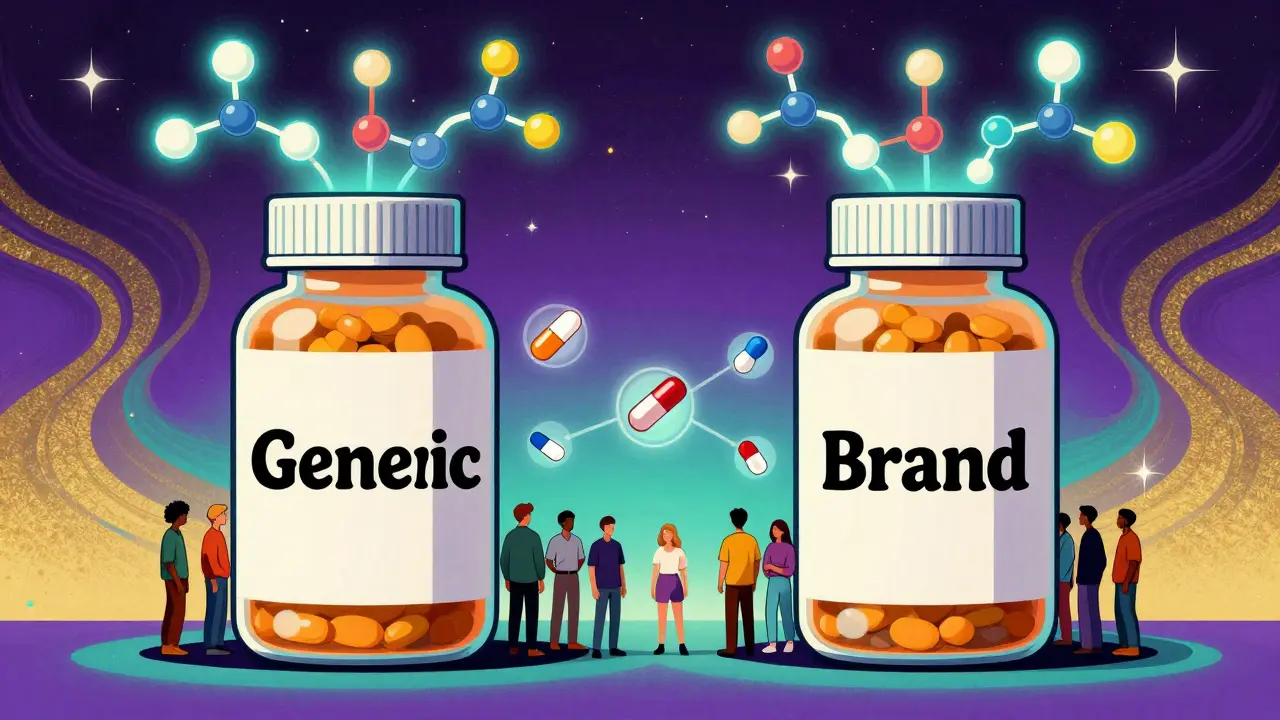
Drug Interactions: Same Risk for Generic and Brand Medications
Generic and brand-name medications carry the same risk for drug interactions because they contain identical active ingredients. Regulatory standards ensure bioequivalence, and real-world data confirms safety. Learn what actually affects interactions - and what doesn’t.

Artificial Intelligence in Drug Safety: How Technology Detects Problems
Artificial intelligence is transforming drug safety by detecting hidden adverse reactions in real time, using data from EHRs, social media, and wearables. AI cuts detection time from weeks to hours and uncovers risks traditional methods miss.

How Pharmacists Verify Generic Equivalence: Practice Standards
Pharmacists verify generic equivalence using the FDA’s Orange Book to ensure safe, legal substitution of brand-name drugs. This system relies on strict bioequivalence standards and is legally binding across all U.S. states.
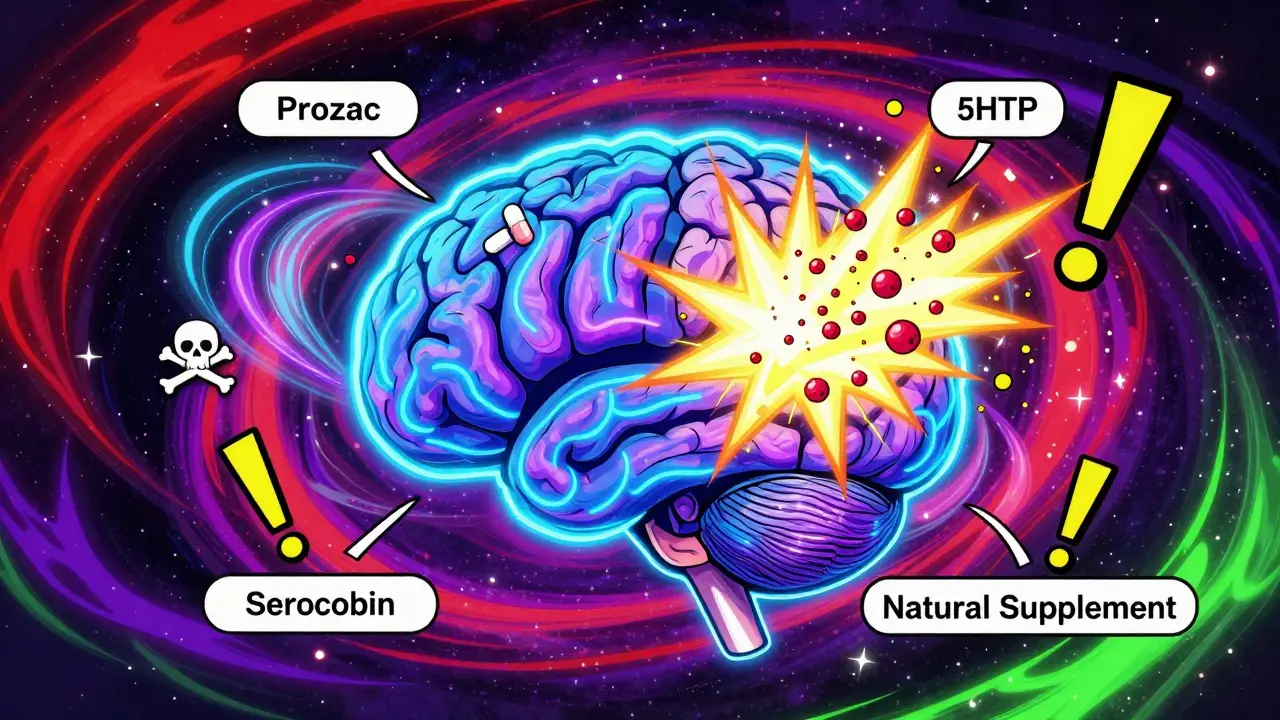
5-HTP and SSRIs: Why Combining Them Can Cause Serotonin Syndrome
Combining 5-HTP with SSRIs can trigger serotonin syndrome-a dangerous, sometimes fatal condition. Learn why this supplement-drug mix is risky, what the symptoms are, and what to do if you're already using both.
Clarithromycin and Statins: How to Avoid Muscle Toxicity Interactions
Clarithromycin can dangerously raise statin levels in the blood, leading to severe muscle damage. Learn which statins are safest, how to avoid interactions, and why azithromycin is the better antibiotic choice.
FDA Medication Safety Apps: Best Mobile Tools for Side Effect Information
FDA-linked medication safety apps like Drugs.com and Medisafe help users track side effects, avoid dangerous drug interactions, and reduce medication errors. Free tools with verified data can prevent hospital visits and save lives.

Constipation from Medications: Complete Management Guide
Medication-induced constipation affects up to 60% of opioid users and is often poorly managed. Learn how to prevent and treat it with targeted laxatives, drug switches, and evidence-based protocols - not generic advice.

Autoimmune Overlap Syndromes: Recognizing Mixed Features and the Need for Care Coordination
Autoimmune overlap syndromes combine features of multiple autoimmune diseases, making diagnosis and treatment complex. Learn how specific antibody patterns, lung involvement, and care coordination determine outcomes for patients with mixed connective tissue disease, antisynthetase syndrome, and other overlap conditions.

Why Patients Skip or Forget Medications: Common Barriers to Adherence
Medication nonadherence affects half of all patients with chronic conditions. The reasons aren't laziness-they're cost, complexity, confusion, and life. Here's what really stops people from taking their pills-and what actually works to fix it.
Patient Counseling on Generics: What Pharmacists Must Discuss to Improve Adherence and Trust
Pharmacists must clearly explain generic substitutions to patients to prevent medication non-adherence. Covering bioequivalence, appearance changes, and dosage instructions improves trust and outcomes. Legal, ethical, and clinical obligations require more than a quick handoff.