Archive: 2026/03
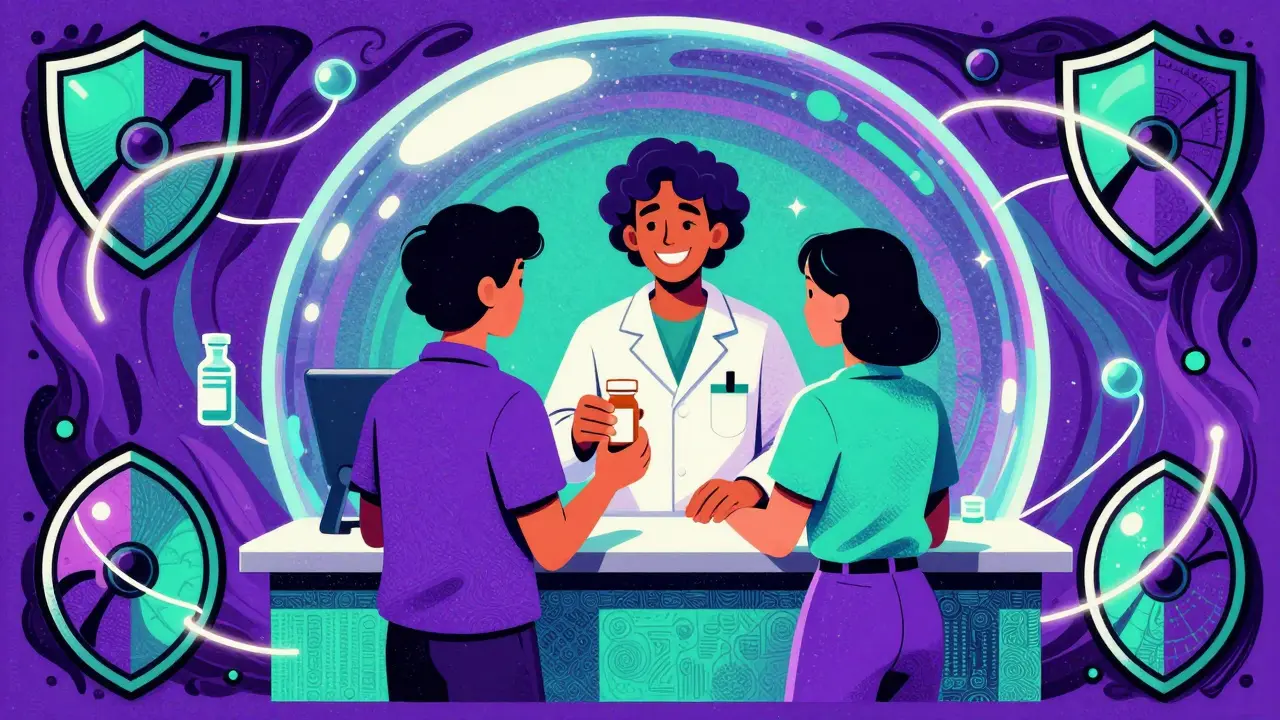
Top Medication Safety Questions to Ask at the Pharmacy Counter
Discover the top medication safety questions to ask your pharmacist. Learn essential tips for preventing errors, understanding side effects, and managing drug interactions effectively.

Autonomic Neuropathy: Blood Pressure Drops and GI Symptoms Guide
Explore autonomic neuropathy symptoms like blood pressure drops and digestive issues. Learn diagnosis methods, treatment options, and daily management strategies for better health outcomes.
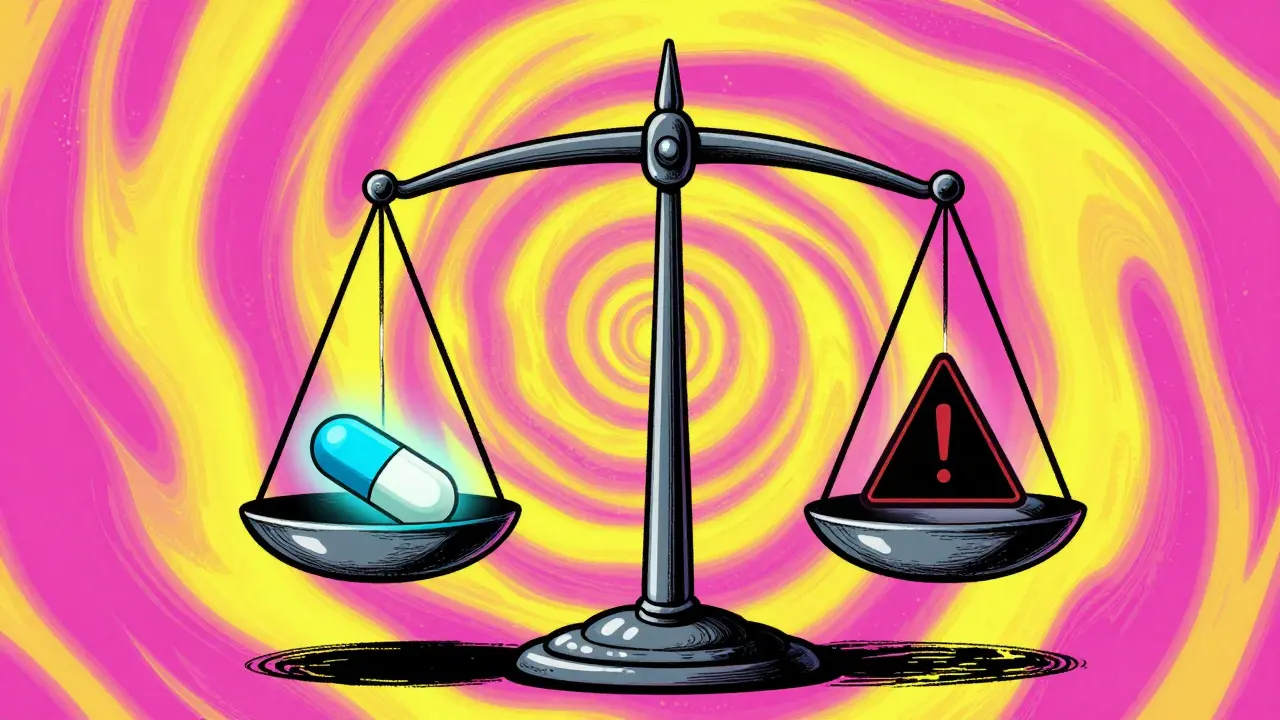
Prescriber Attitudes Toward NTI Drugs and Generic Substitution: A 2026 Guide
Explore the tension between generic savings and clinical safety in NTI drug substitution, covering prescriber views, regulatory differences, and economic impacts.
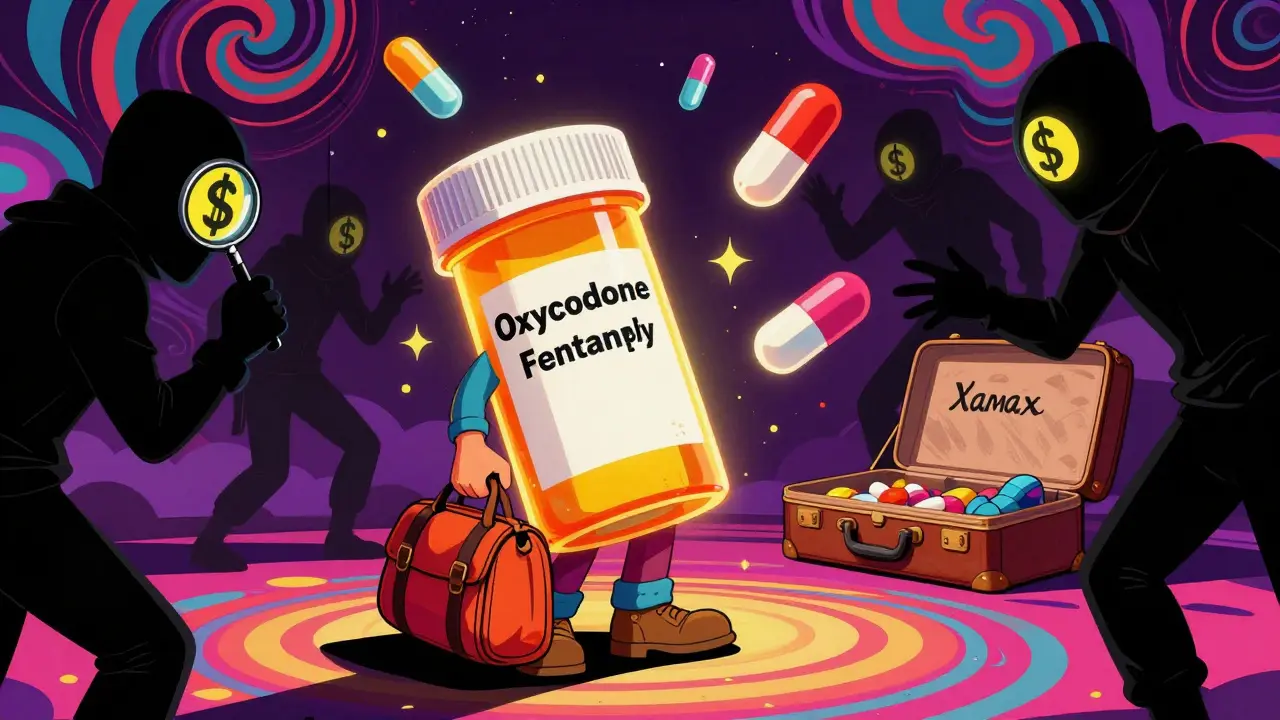
How to Protect Controlled Medications from Theft When Traveling
Learn how to safely travel with controlled medications like oxycodone, Xanax, or fentanyl without risking theft, legal issues, or loss. Essential tips for TSA rules, international travel, hotel safety, and what to do if your meds are stolen.
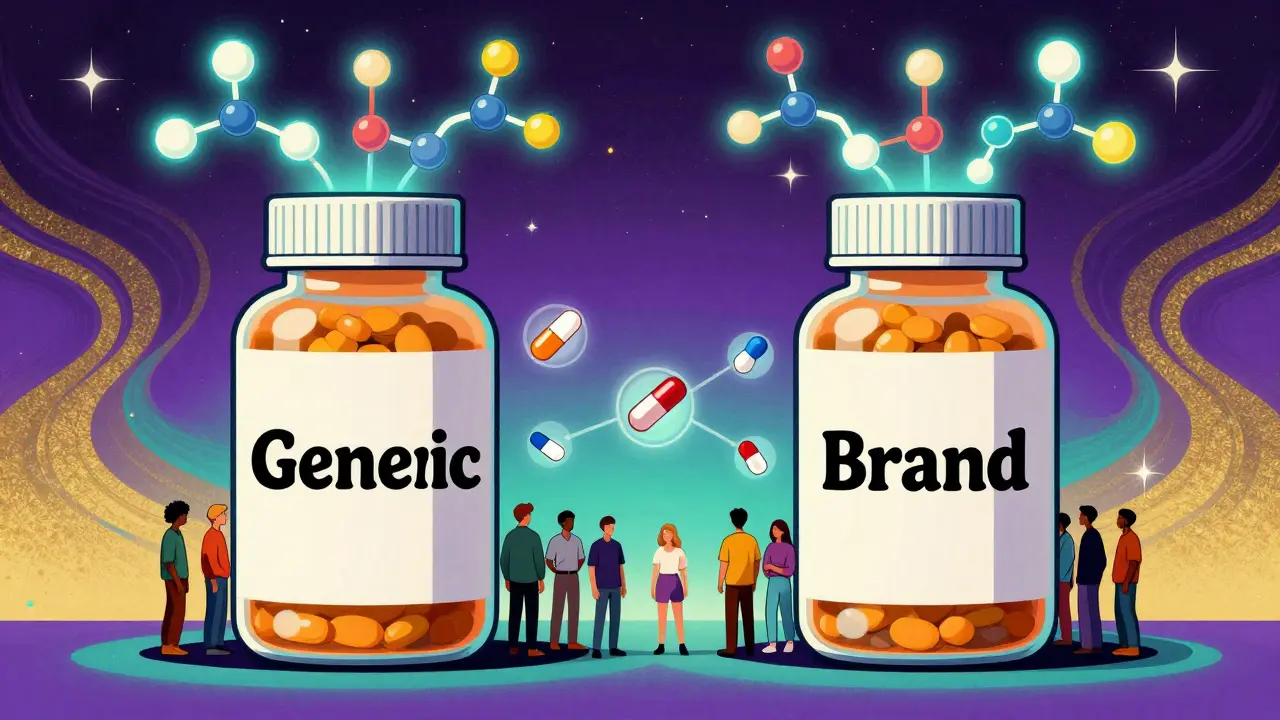
Drug Interactions: Same Risk for Generic and Brand Medications
Generic and brand-name medications carry the same risk for drug interactions because they contain identical active ingredients. Regulatory standards ensure bioequivalence, and real-world data confirms safety. Learn what actually affects interactions - and what doesn’t.

Artificial Intelligence in Drug Safety: How Technology Detects Problems
Artificial intelligence is transforming drug safety by detecting hidden adverse reactions in real time, using data from EHRs, social media, and wearables. AI cuts detection time from weeks to hours and uncovers risks traditional methods miss.

How Pharmacists Verify Generic Equivalence: Practice Standards
Pharmacists verify generic equivalence using the FDA’s Orange Book to ensure safe, legal substitution of brand-name drugs. This system relies on strict bioequivalence standards and is legally binding across all U.S. states.
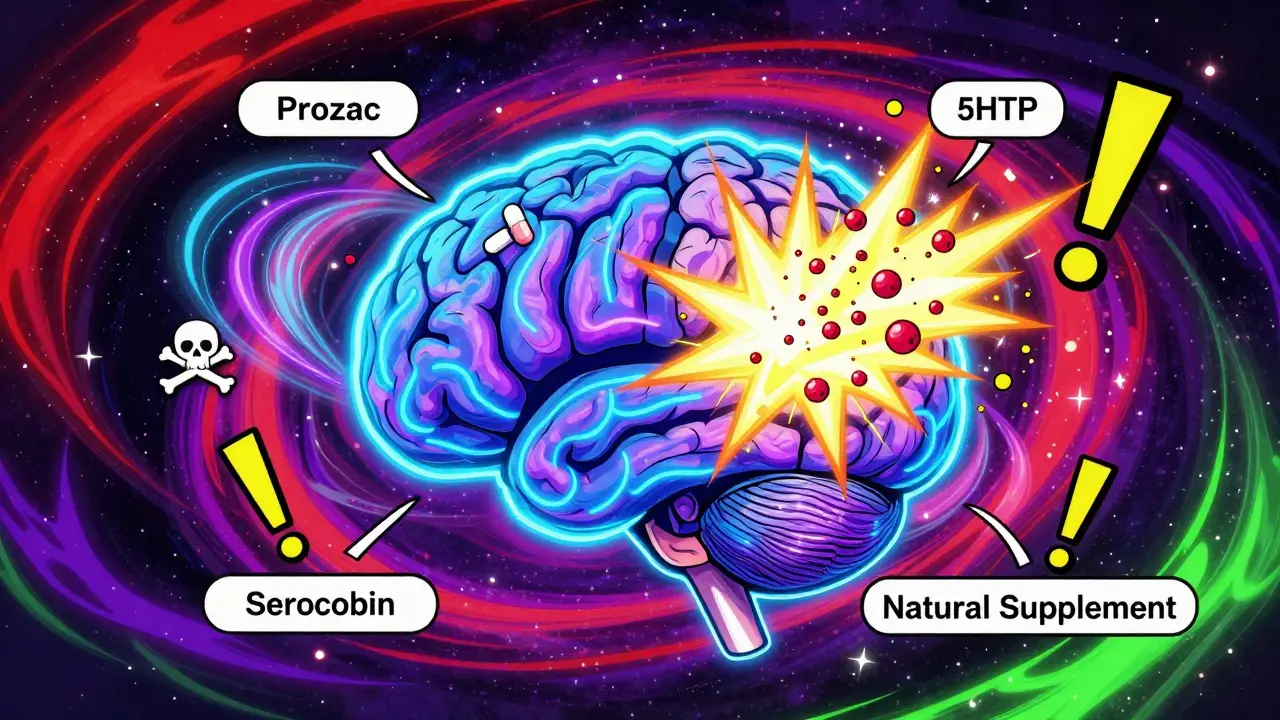
5-HTP and SSRIs: Why Combining Them Can Cause Serotonin Syndrome
Combining 5-HTP with SSRIs can trigger serotonin syndrome-a dangerous, sometimes fatal condition. Learn why this supplement-drug mix is risky, what the symptoms are, and what to do if you're already using both.
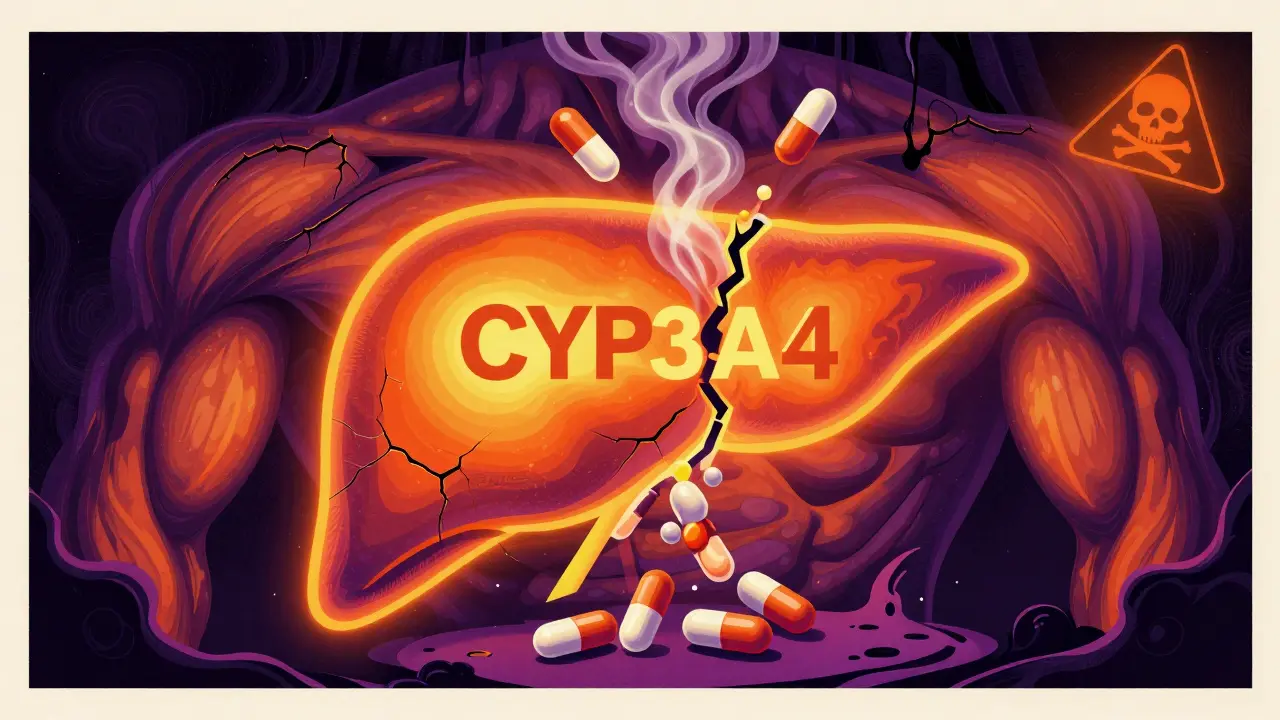
Clarithromycin and Statins: How to Avoid Muscle Toxicity Interactions
Clarithromycin can dangerously raise statin levels in the blood, leading to severe muscle damage. Learn which statins are safest, how to avoid interactions, and why azithromycin is the better antibiotic choice.
FDA Medication Safety Apps: Best Mobile Tools for Side Effect Information
FDA-linked medication safety apps like Drugs.com and Medisafe help users track side effects, avoid dangerous drug interactions, and reduce medication errors. Free tools with verified data can prevent hospital visits and save lives.