

Why Asking Questions Saves Lives
Walking up to the counter with a prescription feels routine. You hand over the slip, pay, grab the box, and leave. That speed, however, hides a serious risk. Medication errors are common, harming over 1.5 million people annually according to older reports from the Institute of Medicine. While healthcare has improved, the responsibility doesn't stop when your doctor leaves. It actually shifts partially to you at the chemist.
Medication safety isn't just about avoiding typos on labels. It is about ensuring you understand how that small bottle changes your daily life. Pharmacists serve as the final checkpoint. They add a critical layer of protection by spotting potential interactions and allergies. When you stay silent, you miss that safety net.
The Five Core Questions You Must Ask
It can feel intimidating to interrupt a busy pharmacist. However, silence is more dangerous than politeness. There are five non-negotiable questions that every patient should ask before leaving the store. These form the backbone of safe medication management.
What Is This Medication Used For?
It sounds obvious, but mix-ups happen constantly. You might pick up a script intended for joint pain while holding one for high blood pressure. Always confirm the purpose. If the name of the medicine is different from what your doctor discussed, ask immediately. This discrepancy check prevents dispensing errors where the wrong treatment ends up in your bag.
How and When Should I Take This?
Dosage instructions vary wildly between drugs. One needs to go with food, another requires an empty stomach. Some are once daily, others four times. The label might say "take as directed," which is useless without context. Ask specifically about timing relative to meals. Does it matter if you eat breakfast at 7 AM or 8 AM? Clarify whether you should take it morning or night. Missing these details leads to reduced effectiveness.
What Side Effects Should I Expect?
Side effects range from harmless blisters to severe allergic reactions. You need to know the difference between normal adjustments and red flags. Most guides suggest knowing which symptoms require immediate medical attention versus those that fade after a week. For example, drowsiness might be normal initially, but difficulty breathing is never okay. Knowing the distinction stops panic and ensures you seek help when truly needed.
Does This Interact With My Other Meds?
This is arguably the most critical query. People juggle multiple prescriptions, vitamins, and herbal remedies. Combining ibuprofen with blood thinners like warfarin increases bleeding risks significantly. Even things like grapefruit juice or St. John's Wort can alter how a drug works. Tell your pharmacist everything you put into your body. They have access to systems that flag hidden clashes your GP might not see in a crowded clinic.
How Should I Store This Medication?
Storage requirements are easy to ignore until the medication fails. Insulin stored in a hot glove compartment becomes useless instantly. Humidity can degrade tablets. Ask explicitly about temperature needs. Does it need the fridge, or will the kitchen cupboard suffice? Do not guess. If you travel frequently, ask about keeping pills stable during a holiday. Improper storage renders your money spent completely ineffective.
Understanding Risks and Hidden Dangers
Beyond the basics, digging deeper reveals layers of safety often overlooked. Patients often forget to ask about lifestyle impacts or long-term monitoring. A drug might cause sun sensitivity. If you live in Australia, sunburn isn't just a nuisance; it's a risk factor. Certain antibiotics or acne medications make skin burn in minutes under UV light.
Allergic reactions account for roughly 106,000 emergency visits annually in some regions. Before picking up meds, confirm there are no ingredients triggering past reactions. This is vital for those who avoid gluten, lactose, or specific dyes found in pill coatings. Your history matters, even if the chemical structure of the active ingredient is fine.
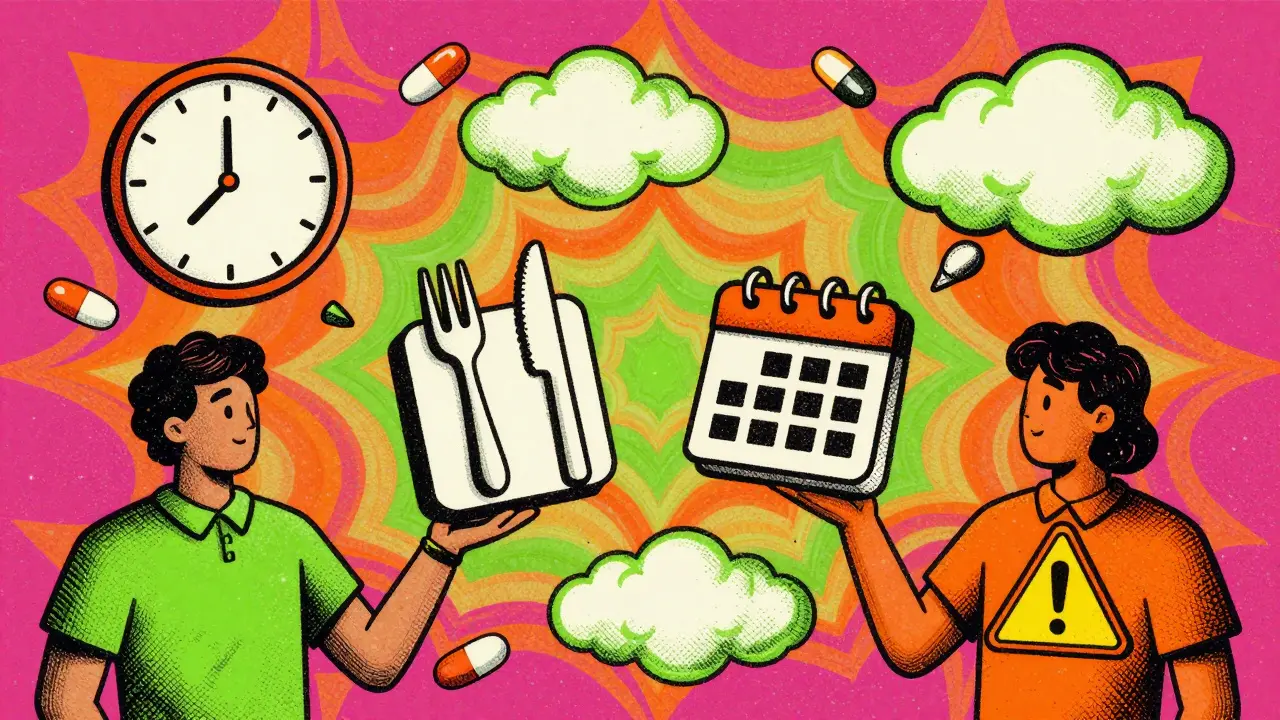
Using the Teach-Back Method
You listen, you nod, you leave. But did you really absorb the information? Communication breakdown causes millions of mistakes. The teach-back method solves this. After the pharmacist explains usage, repeat it back to them in your own words.
- Say: "So, I need to take one tablet with dinner, right?"
- If they correct you, you have caught an error before you go home.
- Studies show repeating instructions reduces communication errors by around 31%.
This technique empowers you. It shifts the dynamic from passive reception to active verification. It forces a double-check that catches misunderstandings immediately.
Overcoming Barriers to Asking
Many people feel rushed at the counter. A 2022 analysis noted nearly half of patients felt time was short. Don't let embarrassment dictate your health. Bring your entire medication list to every appointment. Include over-the-counter medicines, eye drops, and skincare products. A comprehensive review shows pharmacists exactly what risks exist.
If you struggle to recall names, use a photo app on your phone to snap pictures of your bottles. Digital records help bridge the memory gap. You can also prepare a written list of questions beforehand. Writing ensures you don't forget crucial points when standing face-to-face. Remember, you have the right to pause the interaction until you understand fully.

Creating a Personal Safety Checklist
To make this routine, keep a physical logbook or digital note. Track changes as your regimen evolves. Update this whenever you start, stop, or change dosage on any prescription. This documentation helps doctors and pharmacists spot discrepancies quickly. It turns sporadic checks into a reliable habit.
| Action Step | Reason |
|---|---|
| Check Expiry Dates | Meds expire differently; potency drops after dates. |
| Verify Brand Name | Generic switches look similar but act differently. |
| Ask About Missed Doses | Skipping doses can spike levels unpredictably later. |
| Inquire About Alcohol Use | Some meds clash badly with weekend drinks. |
| Review Cost Options | Financial stress leads to missed doses intentionally. |
Special Considerations for Families
If managing meds for children or elderly parents, extra caution is required. Pediatric dosing differs from adult norms. Never cut adult tablets for kids without asking. Improper child dosing accounts for a significant chunk of pediatric medication errors. For seniors, vision and hearing loss complicate reading labels. Ask the pharmacist to explain simply and clearly.
Polypharmacy-taking many drugs simultaneously-is a major risk for older adults. Simplifying schedules improves adherence. Ask if any supplements can be removed safely. Less complexity means fewer mistakes.
Frequently Asked Questions
Can I bring my own medication list to the pharmacy?
Absolutely. Bringing a complete list of all medications, including vitamins and herbs, helps pharmacists spot dangerous interactions much faster than waiting for them to look up electronic records.
Is it rude to ask many questions at the counter?
Not at all. Patient engagement is encouraged by safety organizations worldwide. Pharmacists expect these inquiries because they prevent hospital admissions later on.
What should I do if the pill looks different from before?
Do not take it. Appearance discrepancies contribute to about 18% of dispensing errors. Return to the pharmacist immediately to verify the packaging and description match your previous supply.
How often should I review my medications?
Ideally, perform a full review at least twice a year or whenever adding a new drug. Regular checks catch unnecessary prescriptions that may have been prescribed years ago.
Should I ask about alcohol interactions?
Yes. Alcohol affects metabolism for many drugs. Always clarify if a glass of wine creates safety risks, especially when driving or operating machinery.
Callie Bartley
April 2, 2026 AT 04:39Honestly relying on pharmacy staff feels incredibly risky given current staffing shortages everywhere. People expect magic solutions but burnout affects accuracy rates significantly. We see patients walking away confused constantly despite guidelines.
Rod Farren
April 3, 2026 AT 18:27Pharmacology dictates adherence rates depend heavily on patient education models. Many individuals overlook the bioavailability metrics when considering self-administration protocols. Storage conditions impact chemical stability significantly in home environments. Temperature fluctuations degrade therapeutic potency faster than expected timelines. Hydration levels alter absorption rates for specific drug classes. Renal clearance functions require monitoring during prolonged therapy durations. Hepatic metabolism enzymes interact variably with dietary intake components. Genetic polymorphisms explain why standardized dosing fails certain populations. Polypharmacy increases adverse event risks exponentially without proper review processes. Drug interactions remain hidden unless full inventory audits occur regularly. Adherence tools help track consumption patterns accurately over months. Missed doses compromise entire treatment pathways effectively. Label comprehension varies widely across demographic groups locally. Instruction clarity prevents significant harm potential scenarios daily. Verification steps save lives more than assumed intuition does generally.
Molly O'Donnell
April 4, 2026 AT 08:55The pharmacology behind those errors is much deeper than simple misreading incidents.
Eleanor Black
April 5, 2026 AT 04:27I remember my mother struggling with similar confusion years ago regarding her insulin regimen 😟. She believed the label meant something entirely different until I sat down with her calmly. The pharmacist tried to explain it quickly but she felt overwhelmed by the rush. We decided to bring a notebook to every single appointment to capture details immediately. Writing things down helped her retain the critical dosage information much better later. Her blood sugar stabilized once we stopped guessing about morning versus night usage schedules. It took weeks of patience to build a system she actually trusted fully without panic attacks happening daily. Now she keeps a digital logbook on her phone to track everything precisely for us. Family members should definitely prioritize these verification steps for elderly relatives especially. Communication breakdowns cause so much unnecessary suffering in households globally today 😢.
James DeZego
April 6, 2026 AT 21:56That story highlights why preparation matters so much for safety outcomes 🙏. Family support networks play a huge role in preventing preventable medical errors.
Rocky Pabillore
April 8, 2026 AT 14:27Most people fail to grasp the nuance required here anyway regardless of guides. The average consumer lacks the intellectual discipline to question authority properly.
Julian Soro
April 9, 2026 AT 17:42Don't let embarrassment dictate your health choices ever. You deserve clear answers regardless of status or background. Keep pushing for open communication lines.
Cara Duncan
April 10, 2026 AT 09:04Love the tips! 💊👍 Safety is absolutely worth the extra minute at the counter.
Owen Barnes
April 11, 2026 AT 00:21I think peolple shuld carry digital logs now insted of paper lists. Tech helps bridge memory gaps better than physical scraps always.
Russel Sarong
April 11, 2026 AT 01:14This!!! is exactly what we need!!!!! Digital tracking changes the dynamic completely!!!!
Sharon Munger
April 11, 2026 AT 14:30good advice overall agree with points made here
Cullen Zelenka
April 12, 2026 AT 08:48Always verify your pill bottle contents before taking anything new.
Christopher Beeson
April 13, 2026 AT 11:03Society relies on systemic failure for profit margins rather than genuine wellness outcomes unfortunately. Silence protects institutions more than the vulnerable patient population consistently. We must demand transparency even when polite norms suggest otherwise. Truth is rarely served without confrontation in modern healthcare systems worldwide.
Arun Kumar
April 14, 2026 AT 04:09In India we often struggle with this access model compared to western nations here. Cost barriers limit how many questions people can practically ask freely. Pharmacist availability varies wildly depending on rural versus urban locations too.
James DeZego
April 14, 2026 AT 09:22Global perspectives add so much valuable context to local discussions 🌍. Access disparities require tailored solutions for each region involved.