Pharmacy and Medication
You don’t need medical jargon to make better drug choices. This page collects practical guides about common prescriptions, safer alternatives, and how to use online pharmacies without getting burned. Find clear tips on statins like simvastatin and rosuvastatin, pain options beyond hydromorphone, acid control medicines, diuretics, and popular online pharmacy alternatives.
Start by checking why you take a drug and what the expected benefit is. If you’re on a statin, know the target numbers your provider wants for cholesterol and when labs like liver tests and CK matter. For simvastatin (Zocor) watch for interactions with some antifungals, certain antibiotics, and strong grapefruit juice; these raise risk for muscle damage. Rosuvastatin can be more potent for LDL lowering; some real world studies suggest different side effect profiles but monitoring remains the same: baseline labs and symptom checks.
Looking for alternatives? Pain control often needs a balance between relief and safety. Non-opioid options such as acetaminophen, NSAIDs, topical agents, and some gabapentinoids may work for nerve pain. If opioids aren’t a fit, discuss long-acting versus short-acting choices and non-drug options like physical therapy. For narcotics specifically, understand each drug’s strength, dependence risk, and common side effects.
Acid and ulcer medicines also have options. Drugs like omeprazole or ranitidine replacements can help but differ in how fast they act and how long they last. Ask about H2 blockers versus proton pump inhibitors and whether lifestyle changes—smaller meals, avoiding trigger foods, quitting smoking—might reduce your need for medicine.
Fluid management and diuretics come up often. Lasix (furosemide) works fast, but other diuretics may fit better for long-term control or blood pressure needs. Know that potassium changes and kidney function need monitoring when switching diuretics.
Online pharmacies can save money but carry risk. Before ordering, verify pharmacy licensing, look for clear contact info and a pharmacist you can reach, and read recent customer reviews. Beware of prices that are unrealistically low, require strange payment methods, or ship from unlisted countries. For international options, check shipping times and customs rules.
Side effects matter. If you notice unexplained weight gain on drugs like meloxicam, new weakness, severe stomach pain, or signs of muscle damage, stop and call your provider. Small changes in dose or timing often fix trouble, but some signs need urgent care.
Use this category to compare meds, learn monitoring tips, and explore safer choices. Click any article for a focused guide—dosing, interactions, and what to ask your prescriber. When in doubt, bring a printed list of your drugs to your next visit and ask for a clear plan.
Quick safety checklist: confirm your prescriber's name on the label, check expiration dates, match pill appearance to an online reference, ask the pharmacist about interactions with over-the-counter drugs and supplements, confirm dosing instructions in writing, and set reminders for lab tests or refills.
If you want help comparing two drugs or checking interactions, use our articles like the Zocor FAQ and the Rosuvastatin Research pieces for straightforward answers. Contact us with questions anytime.
How States Manage Medicaid Generic Drug Costs: Strategies and Impacts
Explore how US states use MAC lists, PBM transparency, and affordability boards to control Medicaid generic drug costs while preventing medication shortages.

Blood Thinner Bleeding: When to Seek Emergency Care
Learn how to tell the difference between minor 'nuisance' bleeding and life-threatening emergencies while taking blood thinners, and when to seek urgent care.

Top Medication Safety Questions to Ask at the Pharmacy Counter
Discover the top medication safety questions to ask your pharmacist. Learn essential tips for preventing errors, understanding side effects, and managing drug interactions effectively.
Prescriber Attitudes Toward NTI Drugs and Generic Substitution: A 2026 Guide
Explore the tension between generic savings and clinical safety in NTI drug substitution, covering prescriber views, regulatory differences, and economic impacts.
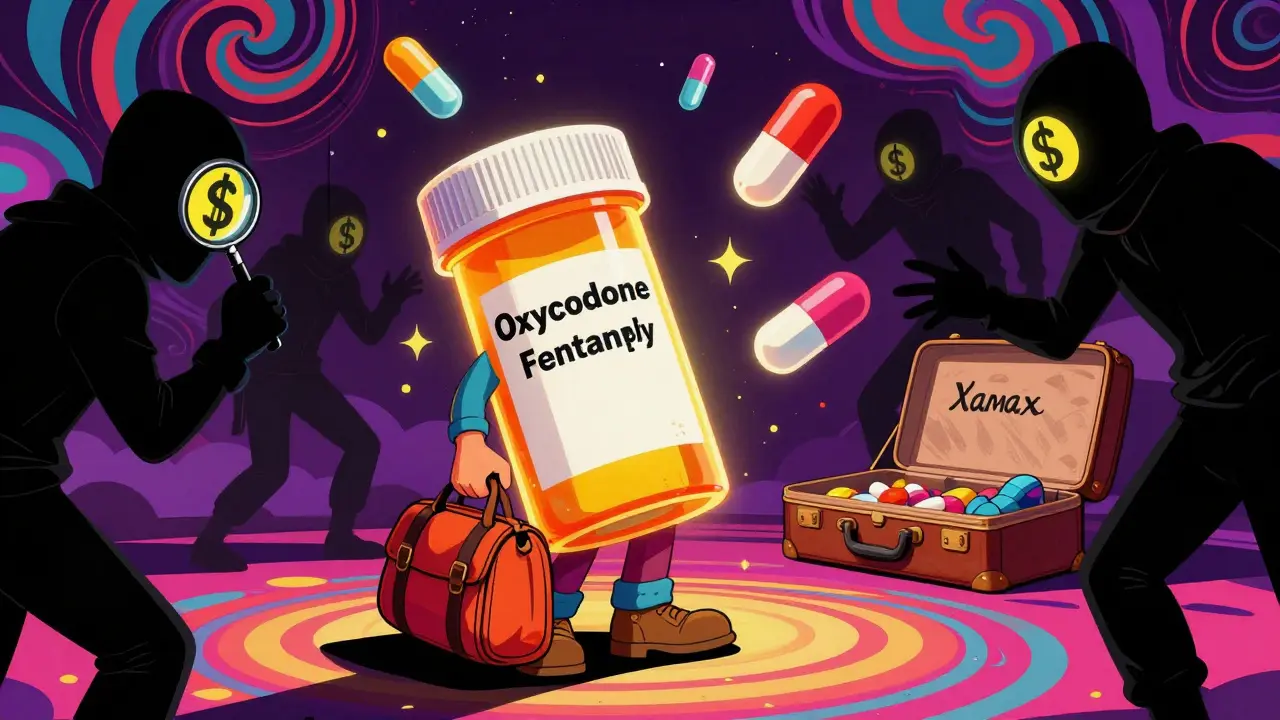
How to Protect Controlled Medications from Theft When Traveling
Learn how to safely travel with controlled medications like oxycodone, Xanax, or fentanyl without risking theft, legal issues, or loss. Essential tips for TSA rules, international travel, hotel safety, and what to do if your meds are stolen.
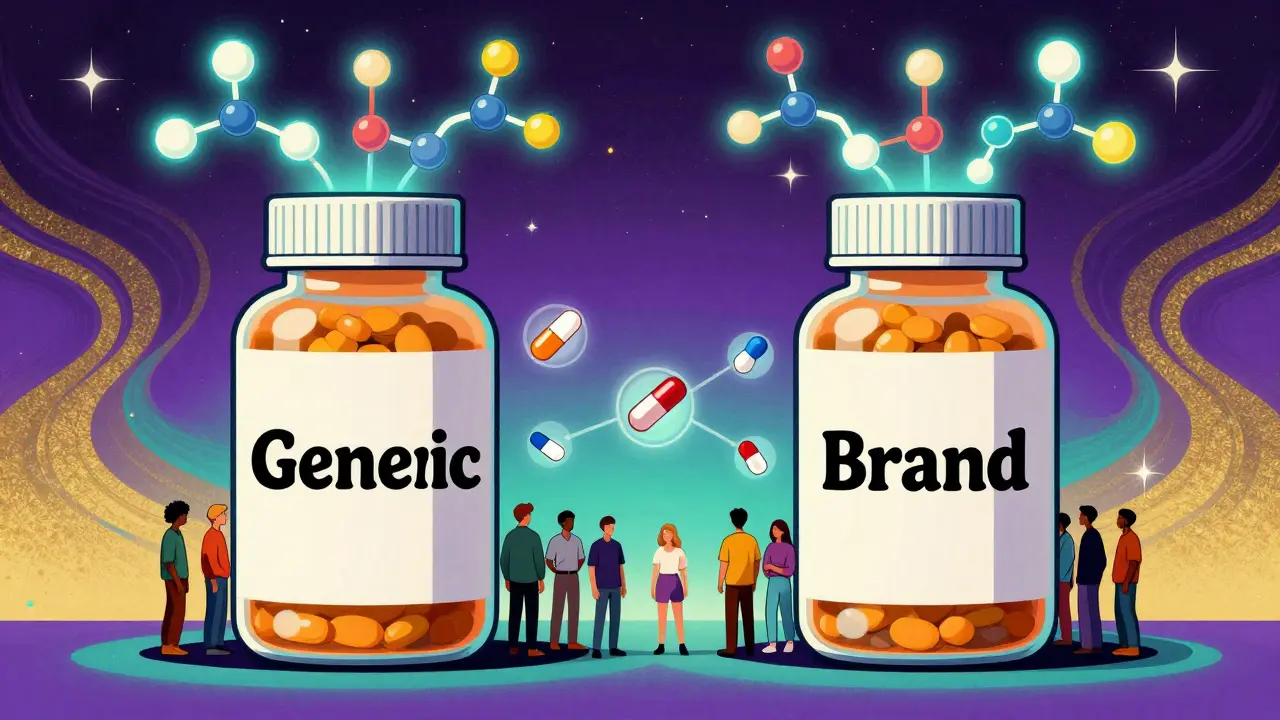
Drug Interactions: Same Risk for Generic and Brand Medications
Generic and brand-name medications carry the same risk for drug interactions because they contain identical active ingredients. Regulatory standards ensure bioequivalence, and real-world data confirms safety. Learn what actually affects interactions - and what doesn’t.

Artificial Intelligence in Drug Safety: How Technology Detects Problems
Artificial intelligence is transforming drug safety by detecting hidden adverse reactions in real time, using data from EHRs, social media, and wearables. AI cuts detection time from weeks to hours and uncovers risks traditional methods miss.

How Pharmacists Verify Generic Equivalence: Practice Standards
Pharmacists verify generic equivalence using the FDA’s Orange Book to ensure safe, legal substitution of brand-name drugs. This system relies on strict bioequivalence standards and is legally binding across all U.S. states.
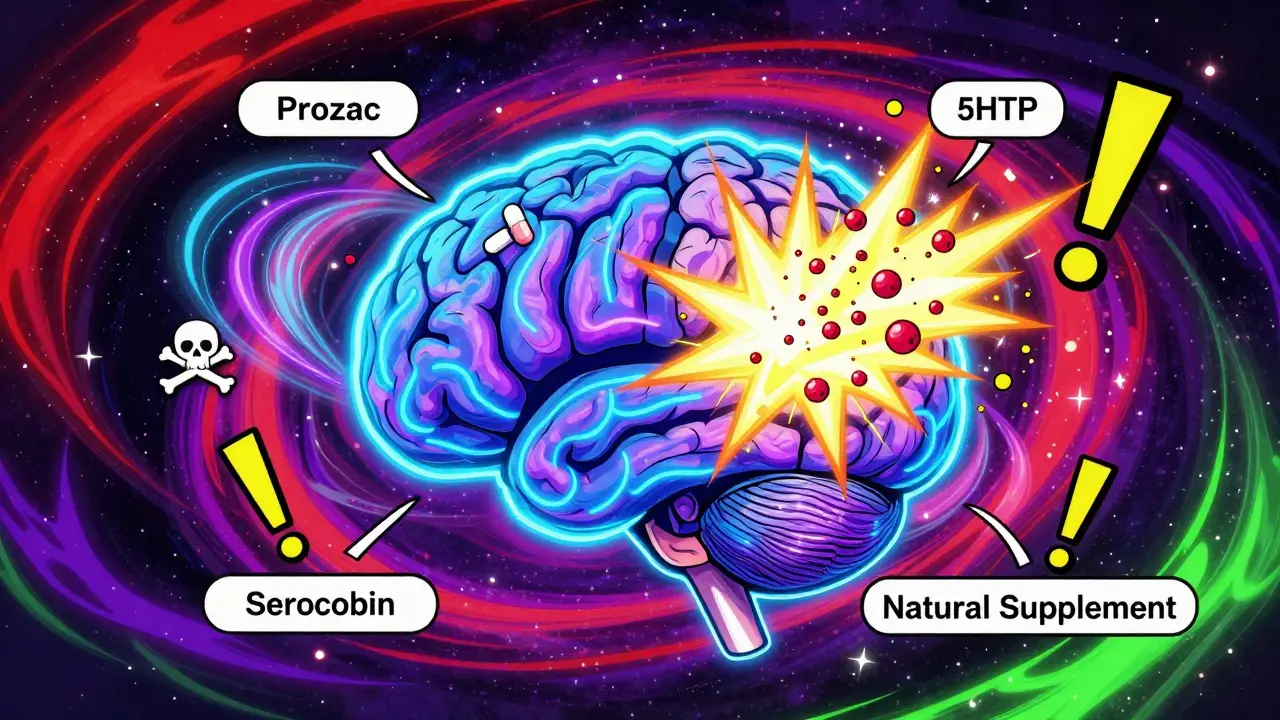
5-HTP and SSRIs: Why Combining Them Can Cause Serotonin Syndrome
Combining 5-HTP with SSRIs can trigger serotonin syndrome-a dangerous, sometimes fatal condition. Learn why this supplement-drug mix is risky, what the symptoms are, and what to do if you're already using both.
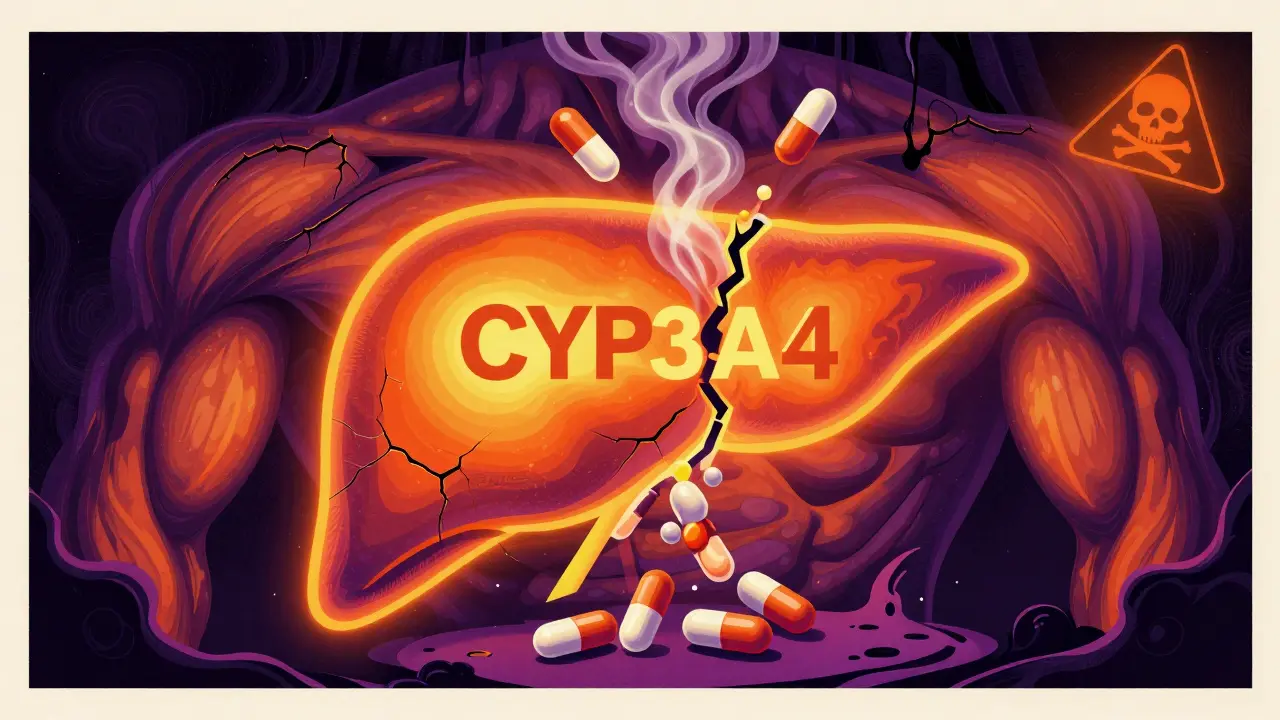
Clarithromycin and Statins: How to Avoid Muscle Toxicity Interactions
Clarithromycin can dangerously raise statin levels in the blood, leading to severe muscle damage. Learn which statins are safest, how to avoid interactions, and why azithromycin is the better antibiotic choice.