P-glycoprotein: How This Protein Affects Your Medications and Why It Matters
When you take a pill, your body doesn’t just absorb it like a sponge. A protein called P-glycoprotein, a cell membrane transporter that pumps drugs out of cells to limit their absorption. Also known as MDR1, it acts like a bouncer at the door of your intestinal lining, brain, liver, and kidneys—deciding what gets in and what gets kicked out. This isn’t just biology trivia. If P-glycoprotein is too active, your medication might not work. If it’s too slow, you could get too much of the drug and end up in the hospital.
P-glycoprotein doesn’t work alone. It teams up with another key player: the CYP3A4 enzyme, a liver enzyme that breaks down many drugs before they enter circulation. Together, they form a double-layered defense system. Smoking, certain antibiotics like rifampin, and even grapefruit juice can mess with both. That’s why someone taking digoxin or warfarin might have wildly different results from the same dose—because their P-glycoprotein activity isn’t the same as your neighbor’s. Even your genetics play a role. Some people are born with versions of the gene that make this protein more or less active, which is why two people on the same drug can have totally different outcomes.
And here’s the real problem: most doctors don’t test for it. You won’t see P-glycoprotein on a lab report. But its effects show up everywhere—in drug interactions, in why generic meds sometimes feel less effective, in why your blood pressure pill stops working after you start taking an herbal supplement. That’s why posts here cover everything from how phenytoin and warfarin clash because of enzyme shifts, to why rifampin can ruin birth control, and why smoking changes how your meds behave. These aren’t random examples. They’re all connected to P-glycoprotein and CYP3A4 activity.
What you’ll find below isn’t theory. It’s real-world stories from people who’ve been caught off guard by hidden drug interactions. You’ll learn how to spot when your medication isn’t working because of this protein, not because your condition got worse. You’ll see how food, supplements, and even your own body’s chemistry can turn a safe dose into a dangerous one. This is the unseen force behind why some people need constant blood tests, why pharmacists ask about every pill you take, and why switching to a cheaper generic doesn’t always mean the same result. If you take more than one medication—or even one that’s been on your shelf for years—this is the hidden system you need to understand.
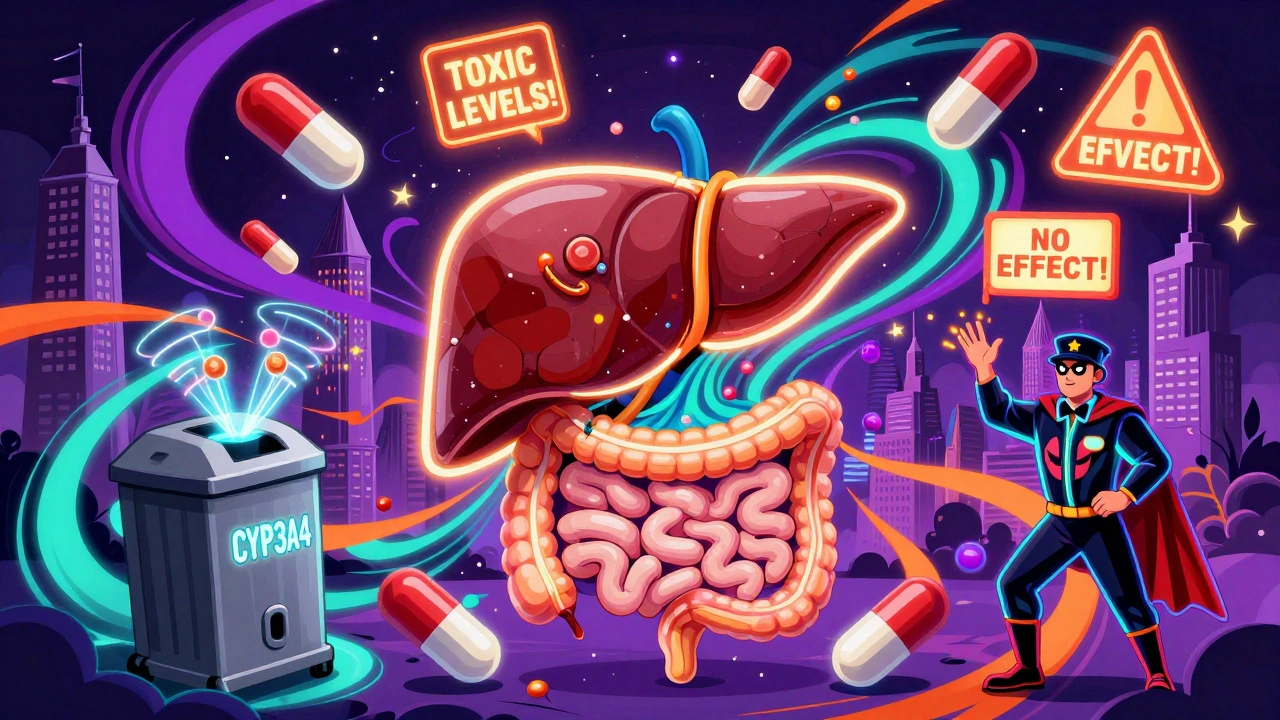
Antiviral Medications and CYP3A4/P-gp Interactions: What You Need to Know
Antiviral medications like those for HIV and hepatitis C interact with CYP3A4 and P-glycoprotein, affecting drug levels and safety. Learn which combinations are dangerous, how to avoid them, and what tools can keep you safe.