Generic Medication: What You Need to Know About Cost, Safety, and Effectiveness
When you pick up a generic medication, a pharmaceutical product that contains the same active ingredient as a brand-name drug but is sold under its chemical name. Also known as generic drugs, they make up over 90% of prescriptions filled in the U.S. and can cut your out-of-pocket costs by up to 90%. But here’s the thing: just because it’s cheaper doesn’t mean it’s always the same for your body. Some generics work great. Others? Not so much—especially with drugs that have a narrow therapeutic index, like digoxin or warfarin. That’s why consistent use and monitoring matter more than most people realize.
Generic medication isn’t just about saving money—it’s about how your body reacts to it. Drug interactions, when two or more medications affect each other’s absorption, metabolism, or effectiveness. Also known as medication interactions, they can turn a safe combo into a dangerous one. For example, smoking can speed up how your liver breaks down certain generics, making them less effective. Quitting? That same change can suddenly make your dose too strong. Then there’s therapeutic drug monitoring, the practice of measuring drug levels in your blood to ensure they’re in the safe, effective range. Also known as TDM, it’s critical for drugs like phenytoin or lithium, where a small change in blood level can mean the difference between control and crisis. And let’s not forget generic drug prices, the cost of non-brand-name medications that vary wildly between pharmacies. Also known as cash price prescriptions, they can be 10 times higher at one store than another—even for the exact same pill. That’s why comparing prices with tools like GoodRx isn’t optional—it’s essential.
People think switching to a generic is just a simple swap. But if you’re on a chronic medication—say, for high blood pressure, epilepsy, or thyroid disease—your body adapts to the exact formulation. A different filler, coating, or manufacturing process can change how fast it dissolves. That’s why sticking with the same generic brand, or even the same pharmacy, matters. And if you notice new side effects after a switch—like ringing in your ears from amlodipine or unexplained bruising from warfarin—don’t ignore it. Talk to your pharmacist. They’re the ones who see the whole picture: your meds, your diet, your habits. They can tell you if your new generic is safe with your other drugs, whether your vitamin K intake is throwing off your INR, or if your automated refill is actually helping—or hiding a problem.
You’ll find real stories here: how one person avoided a hospital stay by tracking their food diary on warfarin, how another saved $1,200 a year by switching pharmacies, and why a simple change in how they took their digoxin kept them out of the ER. These aren’t theory pages. They’re practical, tested, and focused on what actually works when your health is on the line.
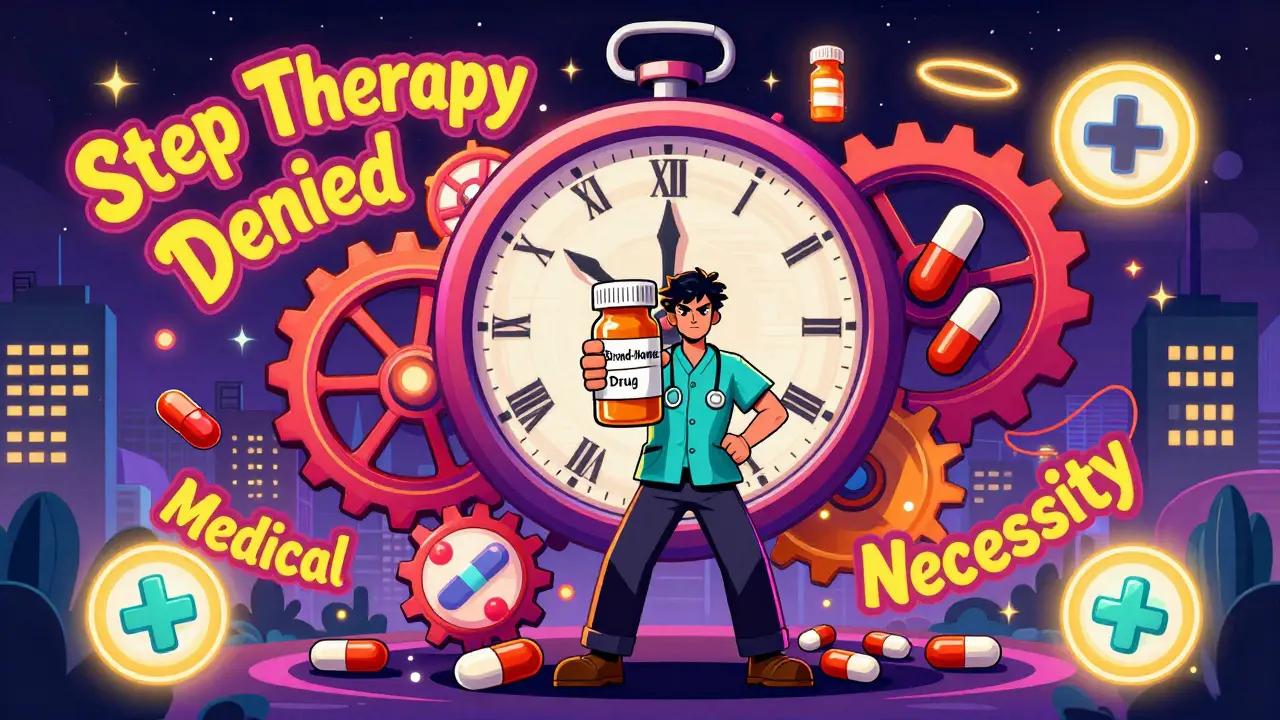
Insurance Appeals for Generic Medications: Step-by-Step Guide to Get Coverage
Learn how to successfully appeal your insurance denial for brand-name medications when generics aren’t suitable. Step-by-step guide with real success rates, doctor tips, and timelines.
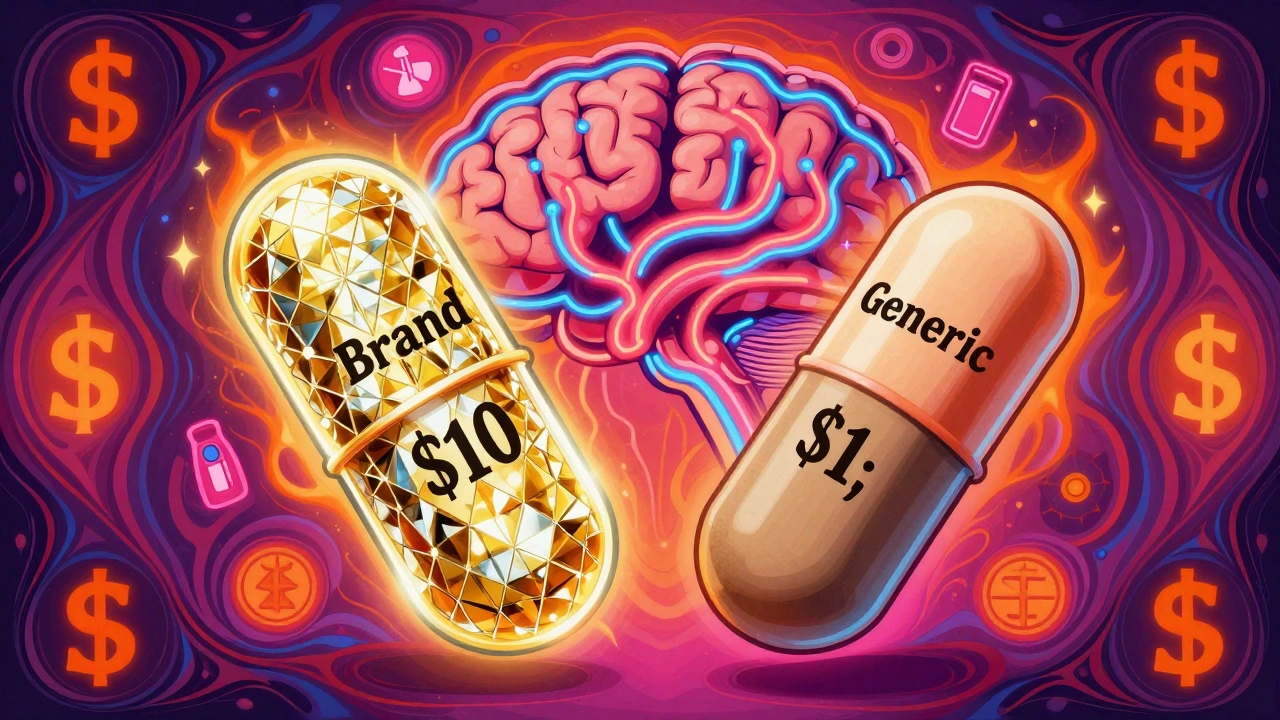
Why Cheaper Drugs Feel Less Effective: The Psychology Behind Price and Perceived Power
Why do cheaper drugs feel less effective-even when they're identical to brand names? The answer lies in psychology, not chemistry. Learn how price shapes perception and what you can do about it.