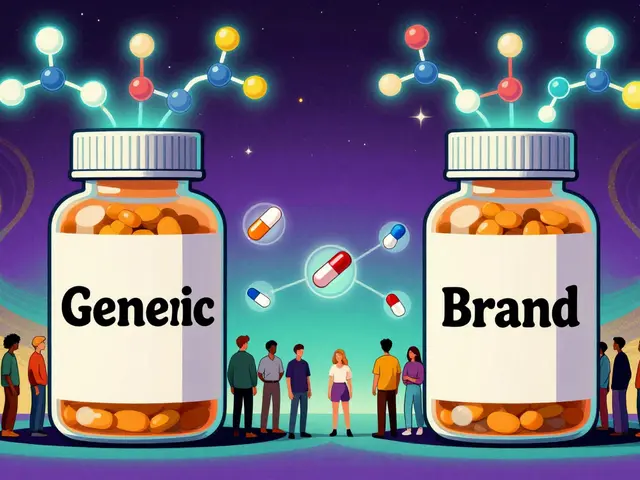
Generic Medications and Drug Interactions in 2025: What You Need to Know
When you take generic medications, affordable versions of brand-name drugs that meet the same safety and effectiveness standards. Also known as generic drugs, they help millions save money without sacrificing results—especially for chronic conditions like high blood pressure, diabetes, or depression. But knowing they’re cheaper doesn’t mean they’re simple to use. Many people don’t realize how easily these drugs can interact with other meds, foods, or even habits like smoking.
Take warfarin, a blood thinner used to prevent clots. Also known as Coumadin, it’s one of the most dangerous drugs to mix with other substances. A single NSAID like ibuprofen can double your bleeding risk. Vitamin K in spinach or kale can throw off your INR if you don’t keep intake steady. And if you’re on rifampin for tuberculosis? Your birth control might as well be a placebo. These aren’t rare edge cases—they’re everyday risks for people managing multiple conditions.
Then there’s SGLT2 inhibitors, a class of diabetes drugs like Jardiance and Farxiga that help the kidneys flush out sugar. Also known as gliflozins, they’re praised for protecting the heart and kidneys—but they can trigger a silent, life-threatening condition called euDKA, even when blood sugar looks normal. And if you’re taking them, you need to know the warning signs: nausea, fatigue, confusion. These aren’t just side effects—they’re red flags.
Smoking changes how your liver breaks down meds. Quitting smoking? That same liver suddenly starts processing drugs too slowly, which can turn safe doses into toxic ones. Automated refills for generics help you stay on track, but they won’t warn you if your new antibiotic clashes with your blood pressure pill. Pharmacists are stepping up—not just filling scripts, but asking the hard questions about supplements, diet, and lifestyle changes that affect your meds.
In November 2025, these topics weren’t just discussed—they were unpacked with real-world details. You’ll find guides on how to track vitamin K with a food diary, why phenytoin and warfarin need weekly blood tests, and how a simple eardrum tear can turn into permanent hearing loss if you ignore the basics. There’s advice on spotting tinnitus from amlodipine, avoiding tendon ruptures from fluoroquinolones and steroids, and why kidney patients can’t just drink more water when sodium levels drop.
These aren’t abstract medical theories. They’re the kind of things that keep people out of the ER. Whether you’re managing diabetes, high blood pressure, acne, or just trying to avoid a bad reaction, the posts from this month give you the clear, no-fluff facts you need to stay safe. What you’re about to read isn’t a list of articles—it’s a practical toolkit for anyone taking more than one medication.
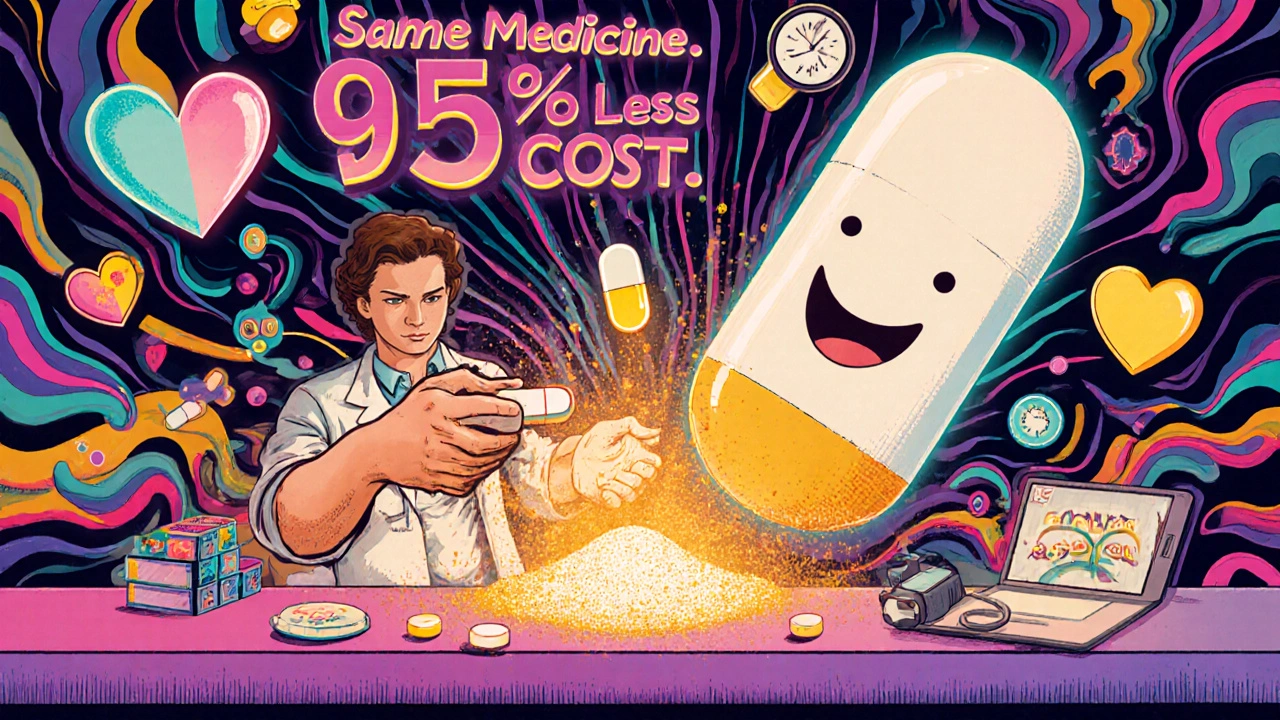
How Lower Generic Drug Prices Improve Patient Adherence and Cut Healthcare Costs
Lower generic drug prices directly improve patient adherence, reduce hospitalizations, and save billions in healthcare costs. Studies show generics are just as effective as brand-name drugs-and switching can cut out-of-pocket costs by up to 90%.

Perforated Eardrum: Healing Timelines and Protection Tips
A perforated eardrum can heal on its own in weeks, but only if protected properly. Learn healing timelines, what to avoid, and when to see a doctor to prevent permanent hearing loss.
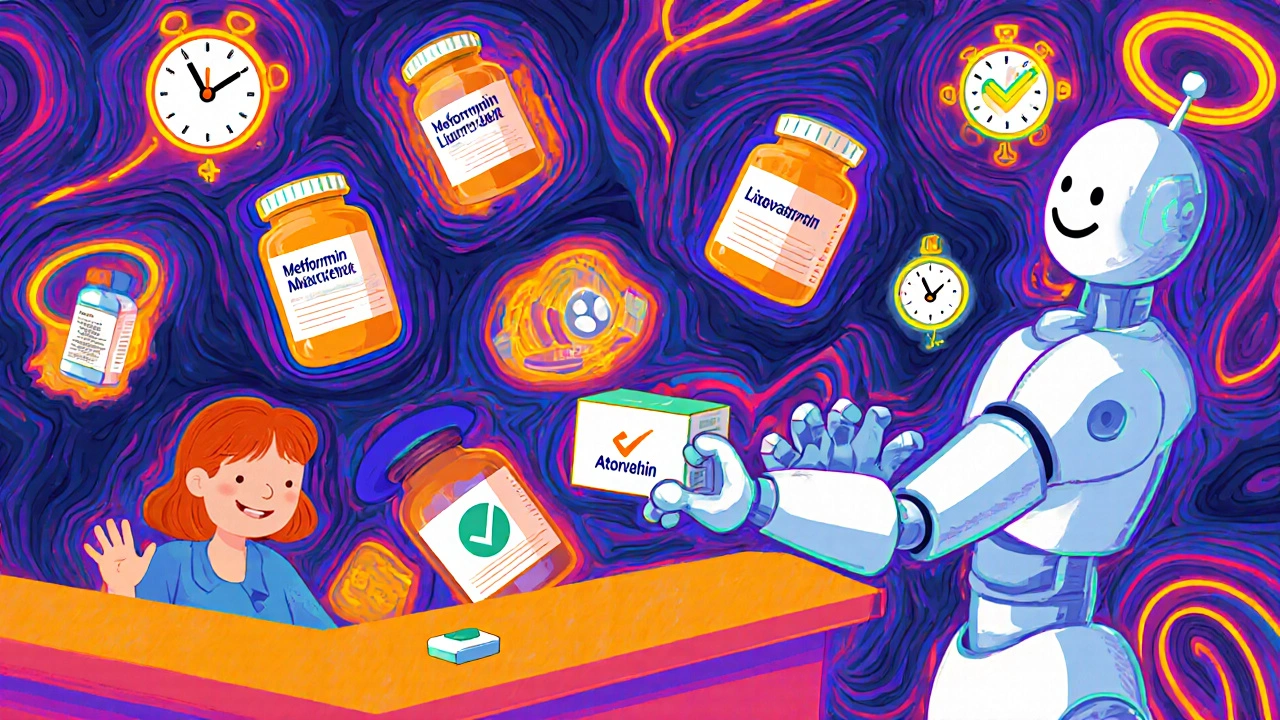
Automated Refills for Generic Medicines: How Online Pharmacies Make Chronic Care Easier
Automated refills for generic medicines help patients stay on track with chronic meds by removing the need to remember refills. Learn how they work, their risks, and how to use them safely through online pharmacies.

Phenytoin and Warfarin: How These Drugs Dangerously Affect Each Other
Phenytoin and warfarin interact in two dangerous phases: an initial spike in INR from protein displacement, followed by a drop from enzyme induction. This requires strict INR monitoring and dose adjustments to prevent bleeding or clotting.
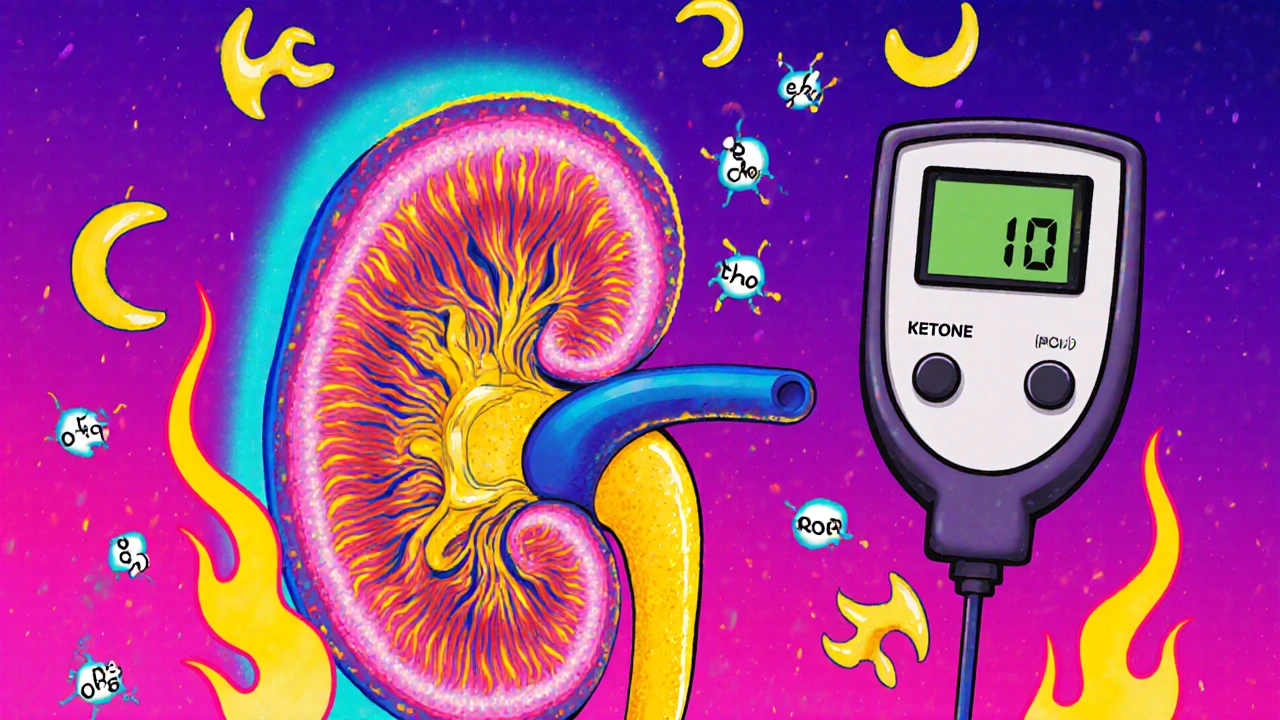
SGLT2 Inhibitors and Diabetic Ketoacidosis: What You Need to Know About the Risk
SGLT2 inhibitors help manage type 2 diabetes but carry a rare risk of euglycemic diabetic ketoacidosis (euDKA), where blood sugar stays normal but ketones rise dangerously. Learn the signs, who’s at risk, and how to stay safe.
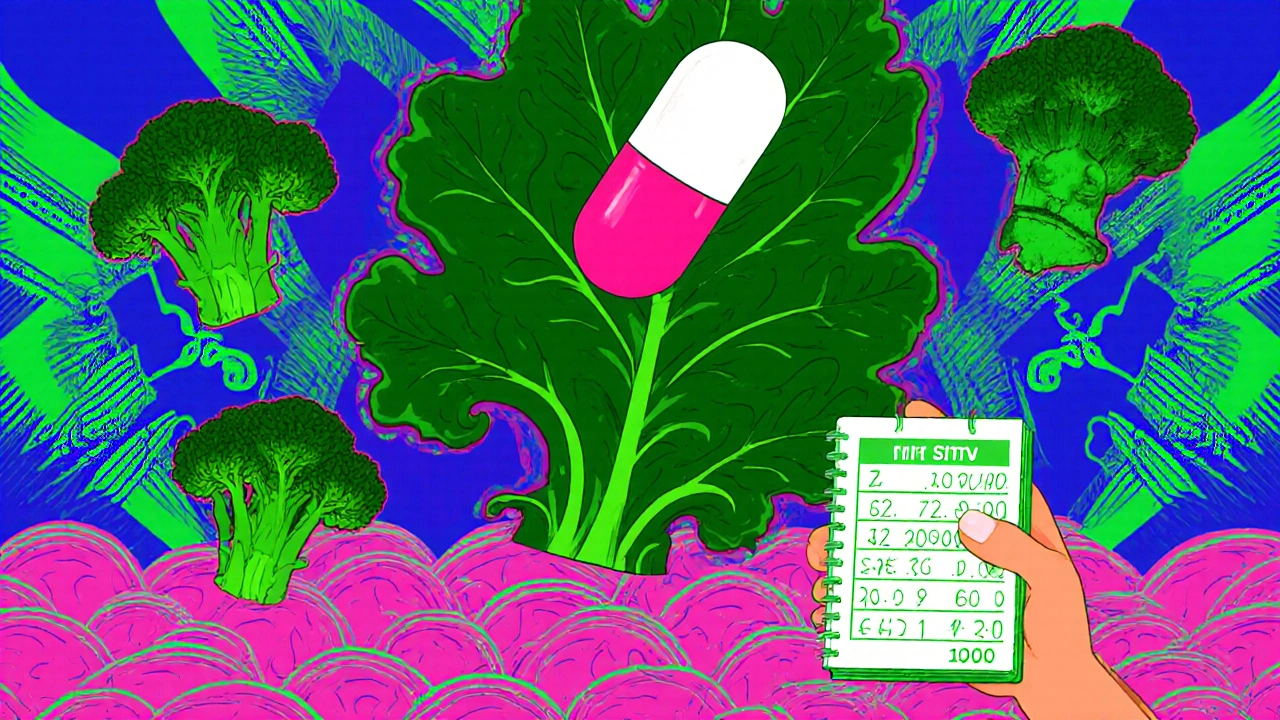
Using Food Diaries on Warfarin: Track Vitamin K to Stay Safe
Track vitamin K intake with a food diary to keep your INR stable while on warfarin. Learn how consistency beats avoidance, which foods matter most, and which apps actually work.
How Smoking Changes How Your Medications Work: Enzyme Induction and Drug Levels
Smoking changes how your body processes medications by boosting liver enzymes, making some drugs less effective. When you quit, those same changes can cause dangerous toxicity. Know which meds are affected and how to adjust safely.
Warfarin and NSAIDs: The Real Bleeding Risk You Can't Ignore
Warfarin and NSAIDs together double the risk of dangerous bleeding. This detailed guide explains why, which NSAIDs are worst, what to use instead, and how to protect yourself from life-threatening complications.
Hyponatremia and Hypernatremia in Kidney Disease: What You Need to Know
Hyponatremia and hypernatremia are dangerous sodium imbalances common in kidney disease. Learn how reduced kidney function causes them, why standard treatments can backfire, and what actually works to stay safe.
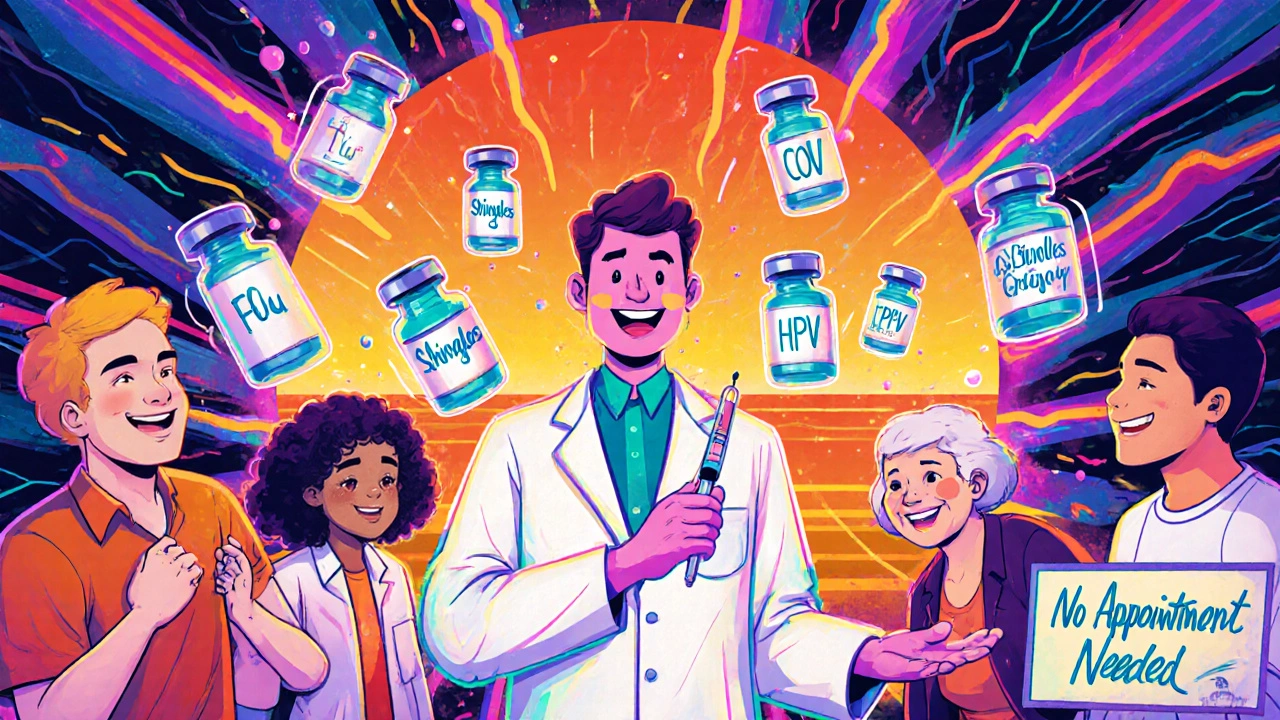
Immunizations and Generic Prescriptions: How Pharmacists Are Advocating for Better Care
Pharmacists are now key providers of vaccines and advocates for affordable generic medications. Learn how they're improving access, fighting unfair pricing, and transforming community healthcare.