
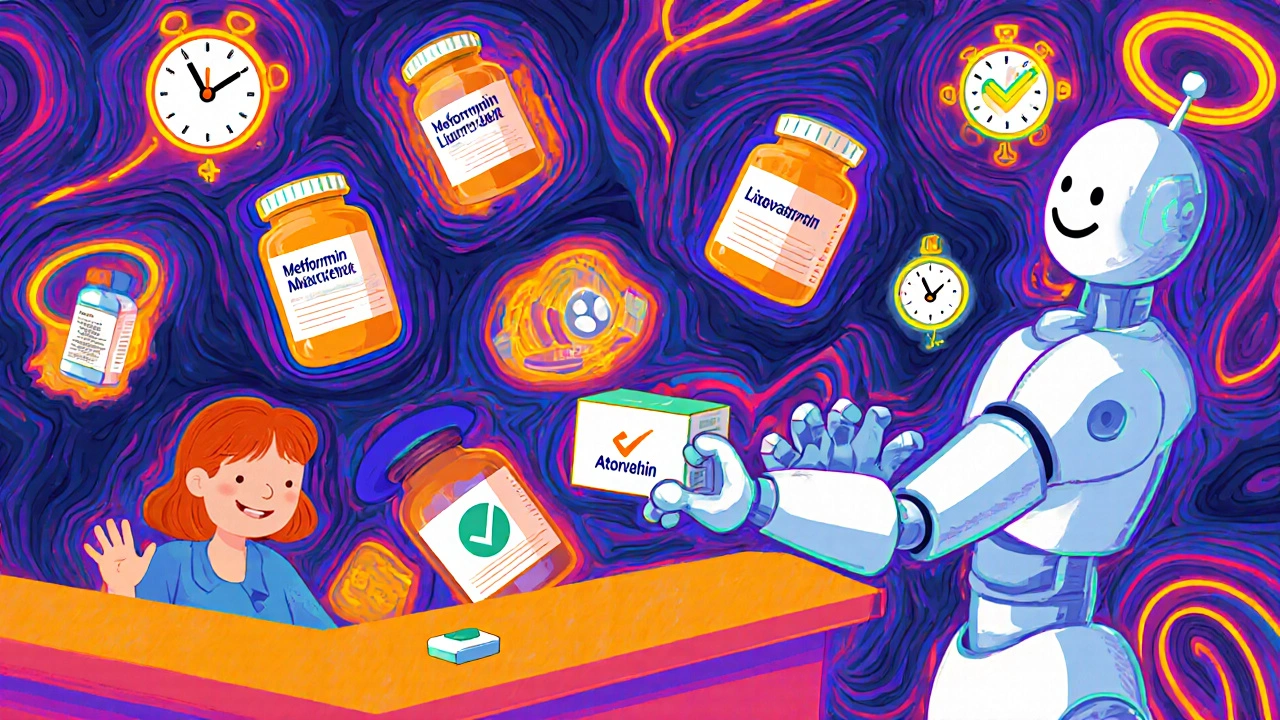
Imagine forgetting to refill your blood pressure pill. Again. You skip a day. Then two. By the time you remember, you’re out - and your doctor’s office is closed. Now you’re stuck waiting for an appointment, or worse, skipping doses until Monday. This happens to millions. But what if your pharmacy did it for you? That’s the quiet revolution happening with automated refills for generic medicines.
What Automated Refills Actually Do
Automated refills aren’t magic. They’re simple: your pharmacy tracks when you’ll run out of your medicine - usually 5 to 7 days before - and automatically sends a refill request to your doctor. No calls. No apps to open. No remembering. You just get your pills delivered or ready for pickup, on time, every time. This isn’t just about convenience. It’s about survival. The World Health Organization says nearly half of people with chronic conditions don’t take their meds as prescribed. For drugs like statins, diabetes pills, or blood pressure meds - most of which are now generic and cheap - missing doses can mean hospital visits, heart attacks, strokes. Automated refills cut that risk. A 2016 study of Medicare patients found people using automated refills were 7.2% more likely to stay on their statins, 6.8% more consistent with diabetes meds, and 3.9% better with blood pressure drugs. That’s not a small bump. That’s life-changing.How It Works Behind the Scenes
It starts with consent. You have to sign up - usually through your pharmacy’s website, app, or in person. Once you do, the system links to your prescription history. If you’re on a 30-day supply of metformin, it knows you’ll need another in 23 days. It doesn’t wait for you to ask. The pharmacy’s system checks with your doctor’s electronic record to confirm the prescription is still active and unchanged. If your dose was recently adjusted - say, from 500mg to 1000mg - the system should catch that. But sometimes, it doesn’t. That’s a risk we’ll get to. Notifications come through SMS, email, or app alerts. Most major chains like CVS, Walgreens, and Amazon Pharmacy let you choose how you want to be reminded. Some even sync with Apple Health or Google Fit so your medication schedule shows up alongside your steps and sleep. And yes - it’s secure. All systems follow HIPAA rules. Your data isn’t shared with marketers. It’s locked down between your doctor, your pharmacy, and you.Why Generic Medicines Are the Perfect Fit
Generic drugs are the backbone of chronic care. They’re 80-90% cheaper than brand names. Most people on long-term meds take generics. And because they’re so affordable, insurance plans and pharmacies push them hard. Automated refills work best with generics because:- They’re stable - dosages rarely change once optimized.
- They’re used daily - no need to guess when you’ll need more.
- They’re low-cost - refill frequency doesn’t hurt your wallet.
The Big Catch: When Automation Goes Wrong
Here’s the dark side: automation doesn’t think. It follows rules. There are real cases - documented by Consumer Medication Safety in December 2024 - where patients got the same dose of diltiazem (a heart medication) even after their doctor increased it from 240mg to 360mg. The system didn’t know. No one flagged it. The patient took the wrong dose for weeks. Another issue: pharmacies sometimes trigger refills too early. Some mail-order services, owned by pharmacy benefit managers (PBMs), set refill alerts at 60 days into a 90-day supply. That means you get a new bottle before you even finish the old one. It’s not a mistake - it’s a revenue play. More refills = more profit. And then there’s the silent problem: people forget they signed up. One Medical’s reviews show 31% of negative feedback comes from patients who didn’t realize they’d enrolled. They got a box of pills they didn’t ask for. They threw them out. Waste. Confusion. Stress.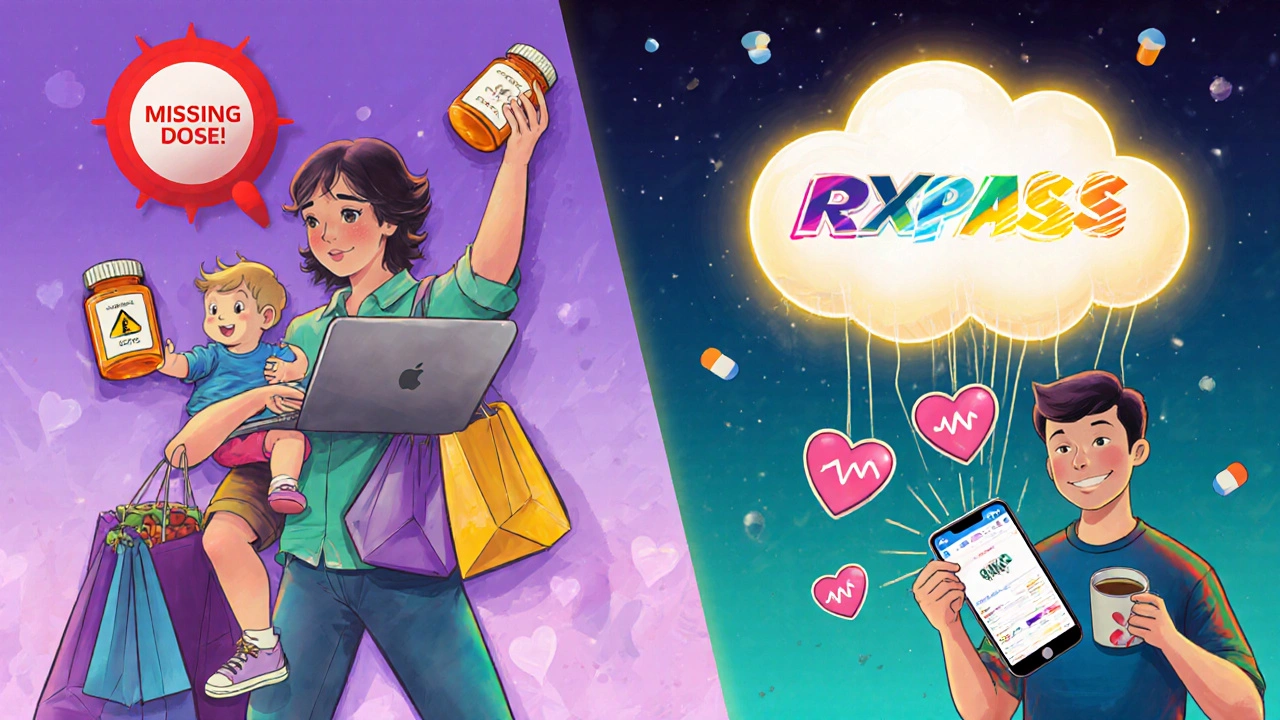
Amazon RxPass and the Subscription Shift
In January 2023, Amazon launched RxPass - a flat $5 monthly fee for 60 common generic medications. No copay. No insurance needed. Just Prime membership. It’s not an automated refill system per se - it’s a subscription. But it’s changing the game. Since launch, JAMA Network Open reported an 18% jump in refill rates among users. Why? Because the cost barrier vanished. If your pill costs $5 a month, you don’t think twice about refilling. You just expect it. This model is spreading. CVS and Walgreens are testing similar flat-fee programs for seniors. The message is clear: if you make generics cheap and automatic, people take them.Who Benefits the Most?
Not everyone needs this. But for some, it’s essential:- Seniors with memory issues - they forget to call, but the system doesn’t.
- Working parents - no time to manage prescriptions between daycare drop-offs and Zoom calls.
- People on multiple meds - 5+ pills a day? Automated refills cut the mental load.
- Those without easy access to pharmacies - rural residents, disabled individuals, or people without cars.
What You Should Do Before Signing Up
If you’re thinking about enrolling, here’s how to do it right:- Confirm your current dose with your doctor. Write it down.
- Ask your pharmacy: “Will this system update my dose if my doctor changes it?”
- Set up notifications you’ll actually see - SMS works better than email for most people.
- Check your mailbox or app every month. Don’t assume it’s working. Look.
- Review your medication list every 3 months. If you stopped a drug, cancel the refill.
The Future: Smarter, Not Just Faster
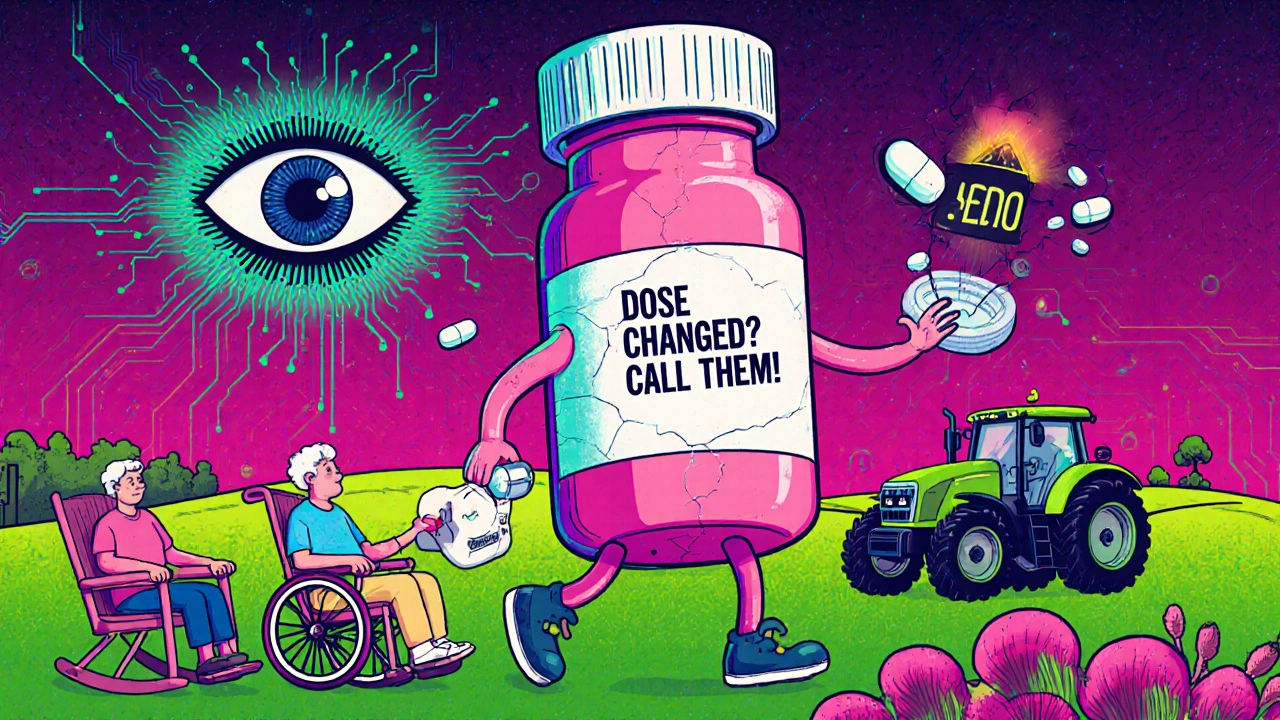
The next wave isn’t just automatic refills - it’s intelligent refills. By 2026, two-thirds of pharmacy automation systems will use AI to adjust refill timing based on your behavior. If you usually pick up your pills on Friday, but suddenly haven’t in 3 weeks? The system will send a nurse a note: “Patient hasn’t collected metformin. Check in.” Some are even testing smart pill bottles that beep when you don’t open them. If you skip a dose, the pharmacy gets alerted - and can call you before you get sick. It’s not sci-fi. It’s coming. And it’s built on the foundation of automated refills for cheap, reliable generics.Final Thought: Convenience Isn’t the Goal - Adherence Is
Some critics say automated refills are just a money grab. That pharmacies benefit more than patients. And yes - there are shady players pushing early refills for profit. But the data doesn’t lie. For the vast majority, this system saves lives. It reduces ER visits. It cuts costs. It gives people back hours of stress. The real question isn’t whether automated refills are perfect. It’s whether you’re willing to risk missing a dose because you didn’t want to click a button. If you’re on a generic medicine for a chronic condition - and you’ve ever forgotten to refill - this isn’t a luxury. It’s a safety net. Start with one pill. One automatic refill. See how it feels to never run out again.Are automated refills safe for seniors?
Yes - and they’re often the best option. Seniors are at highest risk for missed doses due to memory issues or complex routines. Automated refills remove the need to remember. But always confirm dosage changes with your pharmacist. Many pharmacies offer free in-person help for seniors enrolling.
Can I opt out of automated refills anytime?
Yes. You can cancel at any time through your pharmacy’s app, website, or by calling them. You don’t need to give a reason. If you’re getting pills you don’t want, stop them - and let them know why. That feedback helps improve the system.
Do automated refills cost extra?
No. There’s no fee for the refill service itself. You pay the same copay or price as if you ordered manually. Some pharmacies even waive shipping fees for automatic orders. The only exception is subscription models like Amazon RxPass - which replaces traditional pricing with a flat monthly fee.
What if my doctor changes my dose?
Always tell your pharmacy. Even though systems are supposed to sync with your doctor’s records, errors happen. A 2024 case showed a patient kept getting the old dose after an increase. Call your pharmacy after any prescription change - don’t assume it’s updated.
Is this available in Australia?
Not yet in the same way as the U.S. Australian pharmacies offer repeat prescriptions, but true automation - where the pharmacy initiates refills without patient input - is limited. Most systems still require you to request refills manually, even if you do it online. However, major chains like Chemist Warehouse and MyMedicare are testing pilot programs. Watch for updates in 2026.
Do I need to use a specific pharmacy?
You need to enroll with the pharmacy that fills your prescription. If you switch pharmacies, you’ll have to re-enroll. Most systems don’t transfer automatically. Keep your primary pharmacy consistent for best results.
Hannah Magera
November 28, 2025 AT 02:18I’ve been on auto-refill for my blood pressure med for two years now. Honestly? I forgot I even signed up until I got a box in the mail one day. No stress. No panic. Just pills. It’s like having a quiet little helper who never forgets.
My grandma started using it last year after she missed three refills in a row. She says she feels more in control now. Not because she’s doing more - because she’s doing less. And that’s the whole point.
Simple doesn’t mean weak. Sometimes the most powerful thing you can do is stop trying so hard.
Austin Simko
November 29, 2025 AT 23:26They’re tracking you. Always. That’s not convenience - it’s control. You think you’re saving time, but you’re letting Big Pharma own your routine. One day, they’ll adjust your dose without asking. You’ll wake up dizzy. And no one will care.
Nicola Mari
November 30, 2025 AT 23:49How is this not a public health disaster waiting to happen? People forget they signed up. Pharmacies profit from early refills. Doctors’ systems don’t sync. And yet we’re being told this is the future? This isn’t innovation - it’s negligence dressed up as compassion.
I’ve seen too many elderly patients confused, overwhelmed, and medicated by mistake. This system preys on vulnerability, not solves it.
Sam txf
December 2, 2025 AT 11:40Oh wow, another feel-good tech fairy tale. You really believe these systems don’t have profit motives baked into every line of code? Amazon RxPass? Please. They’re not doing this to save lives - they’re doing it to lock you into their ecosystem. Once you’re on auto-refill, you’re stuck. No more price shopping. No more negotiating. Just pay what they say.
And don’t even get me started on how pharmacies trigger refills at 60 days for a 90-day script. That’s not service - that’s greed with a UX overlay. You’re not being helped. You’re being milked.
George Hook
December 4, 2025 AT 11:09I’ve worked in community pharmacy for 18 years. I’ve seen this shift from paper refill slips to digital automation - and I can tell you, the impact on patient outcomes is real. The folks who used to come in every three months, panicked, asking if they could still get their pills because they missed the call - those people now just show up on Tuesday like clockwork.
Yes, there are edge cases. Yes, systems fail. But the data doesn’t lie: adherence rates jump when you remove the burden of remembering. It’s not about convenience. It’s about dignity. People shouldn’t have to choose between remembering a pill and showing up for their kid’s recital.
And before you say ‘they’re just doing it for the money’ - tell me how many pharmacies make money off a $5 generic? They lose money on it. The profit’s in the volume, yes - but the survival? That’s in the consistency. We’re not selling pills. We’re selling stability.
jaya sreeraagam
December 6, 2025 AT 08:27As someone who takes five different generics daily for hypertension, diabetes, and thyroid, I can say with full heart - this system saved my life. I used to forget refills because I was juggling two jobs, caring for my mom, and learning English. I didn’t even know the word ‘adherence’ until my pharmacist explained it to me in simple terms.
Now I get my meds on the 28th every month. No calls. No apps. Just a box at my door. I don’t have to think about it. And that mental space? It’s priceless. I’ve started helping other immigrants at my local community center sign up too. It’s not magic - it’s kindness built into code.
Yes, sometimes the system messes up. But you know what? I call the pharmacy. They fix it. No judgment. No shame. Just help. That’s what matters. Technology isn’t the hero - the people behind it are.
Also, I typed this on my phone at 3am because I couldn’t sleep. Sorry for typos. But I’m alive. And I’m taking my pills. And that’s victory.
Katrina Sofiya
December 7, 2025 AT 22:36Thank you for writing this with such clarity and compassion. This is exactly the kind of public health intervention that deserves widespread adoption - not because it’s trendy, but because it works. The statistics are compelling, the human stories are powerful, and the ethical considerations are thoughtfully addressed.
For individuals managing chronic conditions, autonomy is not about making more decisions - it’s about reducing the cognitive load that erodes well-being. Automated refills restore agency by eliminating unnecessary friction.
Let us not confuse corporate behavior with systemic benefit. The existence of bad actors does not invalidate a profoundly positive innovation. We must advocate for safeguards, yes - but we must also celebrate progress where it exists.
To those reading this: if you are eligible, enroll today. Your future self will thank you.
kaushik dutta
December 8, 2025 AT 06:53Let’s be real - this whole automated refill paradigm is a neoliberal Trojan horse disguised as healthcare equity. You think this is about helping seniors? It’s about shifting responsibility onto the patient while corporations offload labor costs. The AI-driven future you’re selling? It’s surveillance capitalism with a pill bottle.
And don’t get me started on Amazon RxPass. They’re not offering $5 meds - they’re creating dependency on a subscription model that’ll eventually hike prices once you’re locked in. This isn’t democratizing access - it’s commodifying compliance.
Meanwhile, in India, we still have community pharmacists who remember your name, your kid’s birthday, and whether you took your meds last week. No app needed. No algorithm. Just human connection. Maybe we don’t need smarter systems. Maybe we need more humans.
And yes - I’m aware this sounds anti-tech. But sometimes, the most revolutionary thing you can do is refuse to be optimized.
doug schlenker
December 9, 2025 AT 07:57I’ve been on both sides of this. I was the guy who forgot his meds for three months because I was depressed and didn’t care enough to call. Then I got auto-refill. Didn’t change my mental health, but it kept me alive until I could get help.
And now I work at a clinic where we help patients sign up. Some of them cry when they realize they won’t have to panic every month. One woman said, ‘I didn’t know I was scared of running out until I stopped being scared.’
Yeah, there are flaws. Yeah, PBMs abuse it. But the fact that a 72-year-old widow with no smartphone can get her pills without asking anyone - that’s not a bug. That’s a feature.
Don’t throw the baby out with the bathwater. Fix the system. Don’t reject it.
Olivia Gracelynn Starsmith
December 11, 2025 AT 06:27