SSRI Overdose: Signs, Risks, and What to Do
When someone takes too much of an SSRI, a class of antidepressants that increase serotonin in the brain to improve mood. Also known as selective serotonin reuptake inhibitor, these drugs include fluoxetine, sertraline, and escitalopram. While safe when used as directed, an SSRI overdose can trigger a dangerous condition called serotonin syndrome — where the body has too much serotonin, leading to nervous system overload.
SSRI overdose doesn’t always mean someone took pills intentionally. It can happen when people accidentally double-dose, mix SSRIs with other drugs like migraine meds or painkillers, or start a new medication without waiting for the old one to clear their system. The risk goes up fast when SSRIs are combined with MAOIs, tramadol, or even certain herbal supplements like St. John’s wort. Serotonin syndrome isn’t rare — emergency rooms see it often, especially in people on multiple psychiatric meds. Symptoms start within hours: shivering, high fever, rapid heartbeat, muscle rigidity, confusion, or seizures. In severe cases, it can lead to kidney failure, irregular heart rhythms, or death if not treated fast.
What makes SSRI overdose tricky is that symptoms can look like the flu, a panic attack, or even heatstroke. Many people don’t realize they’re in danger until it’s too late. The key is knowing what to watch for — especially if you or someone you care about is on these meds. It’s not just about the dose; it’s about interactions. Even a small extra pill can push someone over the edge if they’re already on another serotonin-boosting drug. And here’s the thing: you don’t need to take a whole bottle to overdose. Sometimes, just one wrong combination is enough.
If you suspect an SSRI overdose, don’t wait. Call emergency services immediately. Do not try to induce vomiting. Bring the medication bottle with you. Treatment usually means stopping the drug, giving calming agents, cooling the body, and in severe cases, using an antidote like cyproheptadine. Hospitals have protocols for this — but only if you act fast.
Below, you’ll find real-world guides on how to avoid dangerous drug mixes, how to report bad reactions to health agencies, and how to spot hidden risks in everyday medication use. These aren’t theoretical — they’re based on actual cases and patient experiences. Whether you’re managing your own meds, helping a loved one, or just trying to stay safe, this collection gives you the facts you need before something goes wrong.
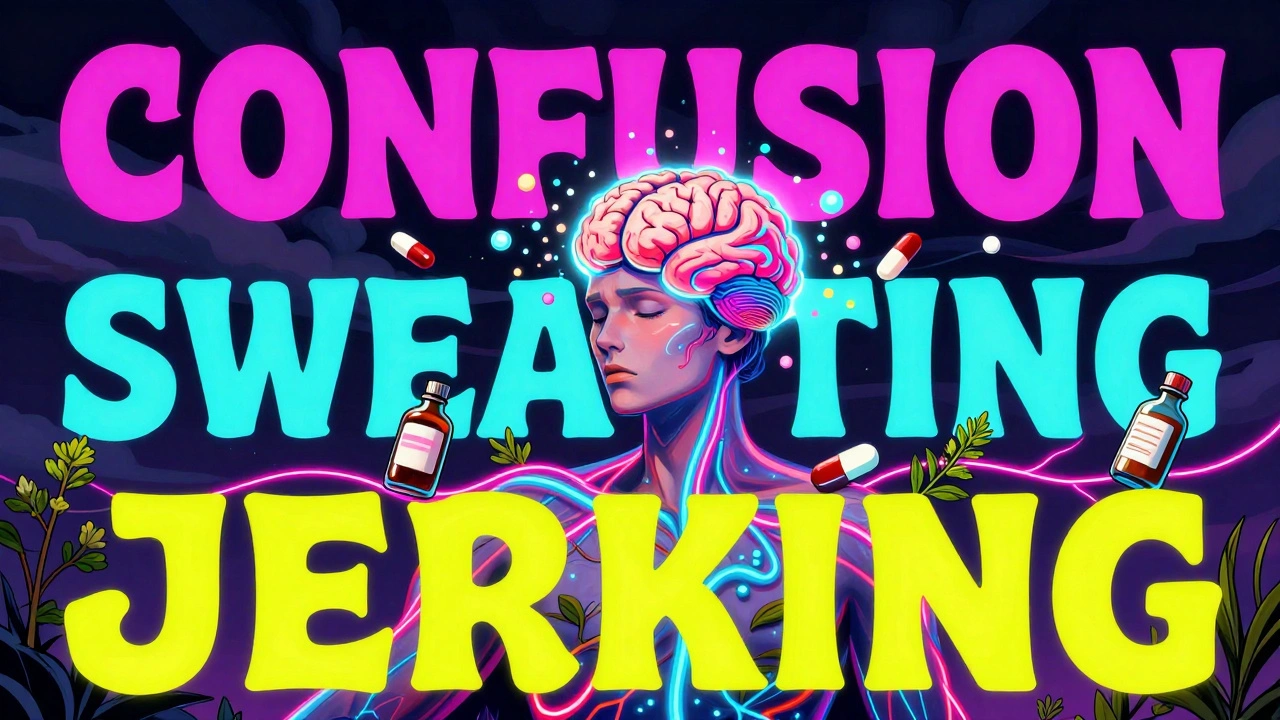
Antidepressant Overdose: Recognizing Serotonin Syndrome Warning Signs Before It's Too Late
Serotonin syndrome can develop rapidly after taking antidepressants or mixing medications. Learn the key warning signs-tremors, clonus, high fever, agitation-and what to do immediately if you suspect an overdose.