GoodRx: How Price Transparency Changes How You Buy Medications
When you use GoodRx, a price-comparison tool for prescription drugs that shows discounts at local pharmacies. Also known as pharmacy savings card, it lets you see exactly how much a generic medication costs before you walk in—no insurance needed. This isn’t just about saving a few dollars. It’s about control. For years, drug prices felt random, hidden, and unfair. You’d show up at the pharmacy with a script, hand over your insurance card, and hope the price didn’t crush you. GoodRx flipped that. Now, you can check prices on your phone while sitting in your car, compare three nearby pharmacies, and pick the one that charges $4 for metformin instead of $45.
GoodRx doesn’t replace insurance—it works alongside it. Sometimes, the GoodRx price is lower than your copay. Other times, it’s not worth using if your plan already covers the drug cheaply. The real power? It exposes how wildly prices vary. The same 30-day supply of lisinopril might cost $7 at Walmart, $22 at CVS, and $50 at a small independent pharmacy—all in the same city. This isn’t a glitch. It’s how the system works. Pharmacies negotiate different rates with distributors, and without transparency, patients never know they’re overpaying. GoodRx makes those hidden deals visible.
But here’s what GoodRx doesn’t tell you: the discount isn’t always the same as the cash price. Sometimes, it’s a negotiated rate between GoodRx and the pharmacy, not the true wholesale cost. And if you’re on Medicare Part D, using GoodRx might mean you’re not counting that purchase toward your deductible or out-of-pocket maximum. That could cost you more later. Also, not all drugs are discounted equally. Some generics—especially those with low demand or complex manufacturing—still carry high prices even with GoodRx. And if you’re buying something like insulin or a specialty drug, you might need a different tool entirely.
GoodRx also connects to a bigger issue: the rise of generic medications, lower-cost versions of brand-name drugs that are chemically identical but often priced 80-90% lower. Also known as brand equivalents, they’re the backbone of affordable care. Most of the posts here talk about generics—how they work, why they sometimes feel less effective (it’s psychology, not chemistry), and how price drops improve adherence. GoodRx makes those generics accessible. It turns a $200 monthly bill into a $15 one. That’s not a minor win. It’s the difference between taking your blood pressure med daily or skipping it because you can’t afford it.
Then there’s drug pricing, the opaque system that determines how much pharmacies charge for medications, often with no clear logic. Also known as pharmacy reimbursement rates, it’s what GoodRx fights against by forcing competition. Prices aren’t based on production cost. They’re based on negotiations, rebates, and middlemen. A pill that costs 5 cents to make can sell for $100 because of how the supply chain is structured. GoodRx doesn’t fix that system—but it gives you a way to bypass it. You’re no longer at the mercy of the pharmacy’s default price. You have leverage.
And that’s why this collection of posts matters. You’ll find stories about how cheaper drugs feel less effective (even when they’re not), how automated refills help people stick with their meds, and how pharmacy discounts can cut healthcare costs by 90%. You’ll see how people use GoodRx to afford warfarin, metformin, or amlodipine—not because they’re wealthy, but because they’re smart. They know the system is broken. And they’re using every tool they can to fix it for themselves.
Below, you’ll find real, practical advice from people who’ve been there: the patient who saved $1,200 a year switching to generics with GoodRx, the caregiver who learned how to avoid dangerous interactions while juggling multiple meds, and the pharmacist who explains why some discounts are too good to be true. This isn’t about coupons. It’s about power. And you’re holding it in your hands.
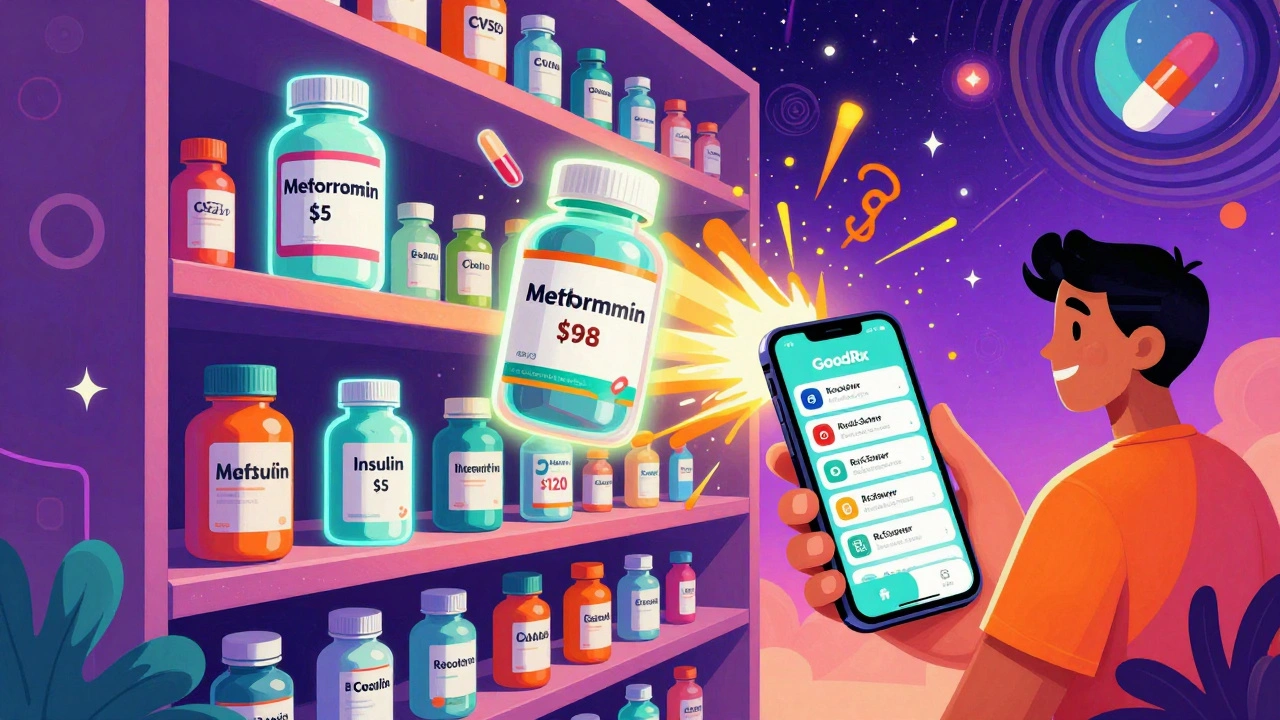
How to Shop Pharmacies for the Best Cash Price on Medications
Learn how to find the lowest cash prices for medications by comparing pharmacy prices with tools like GoodRx, choosing the right store, and asking for discounts. Save up to 90% on generics without insurance.