
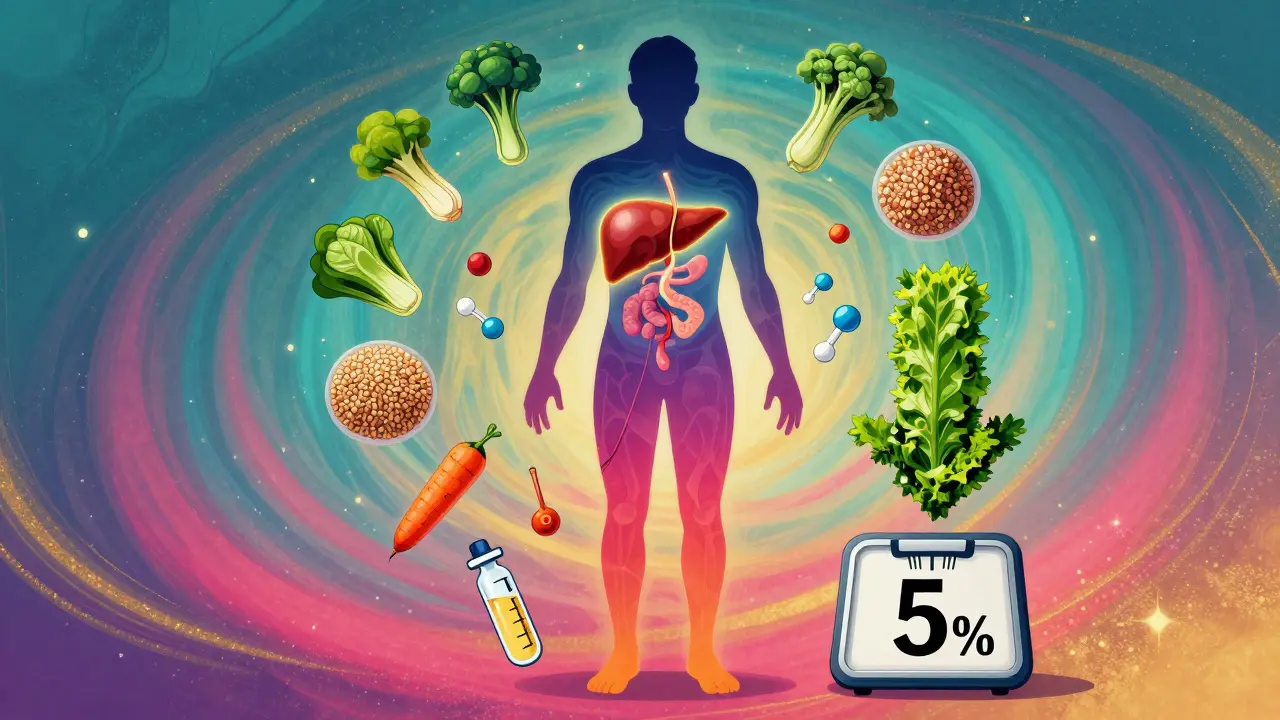
When you have type 2 diabetes, losing weight isn’t just about fitting into smaller clothes-it’s one of the most powerful tools you have to take back control of your health. The science is clear: shedding even 5% of your body weight can lower your blood sugar, reduce your need for medication, and sometimes even send diabetes into remission. But trying to lose weight while managing diabetes comes with unique challenges-hunger spikes, medication side effects, energy crashes, and the fear of low blood sugar. This isn’t about quick fixes or extreme diets. It’s about building a sustainable plan that works with your body, not against it.
Why Weight Loss Matters for Diabetes
Excess fat, especially around the belly, doesn’t just add pounds-it interferes with how your body uses insulin. This is called insulin resistance. Your cells stop responding properly, so glucose builds up in your blood. Your pancreas works harder to pump out more insulin, until eventually, it burns out. That’s when type 2 diabetes takes hold.
Research from the Diabetes Prevention Program (DPP) showed that people with prediabetes who lost 5-7% of their body weight cut their risk of developing full-blown diabetes by 58%. That’s more effective than taking metformin. And it’s not just prevention-people already diagnosed with type 2 diabetes can reverse it. The DiRECT trial found that nearly half of participants achieved remission after losing about 10 kg (22 lbs), mainly through a structured low-calorie diet and consistent lifestyle changes.
Weight loss reduces fat in the liver and pancreas, letting those organs function better. It lowers blood pressure, improves cholesterol, and reduces inflammation-all of which lower your risk of heart disease, the leading cause of death in people with diabetes.
How Much Weight Should You Aim to Lose?
You don’t need to lose 50 pounds to see results. In fact, aiming too high too fast can backfire. The sweet spot? Start with 5-7% of your current body weight. For someone weighing 200 lbs, that’s 10-14 lbs. That’s manageable. That’s doable. And it’s enough to make a real difference.
Studies show that losing 10% or more can lead to diabetes remission in many cases. But even if you don’t reach that mark, every pound lost improves insulin sensitivity. The goal isn’t perfection-it’s progress. And the best part? You don’t need to lose it all at once. Losing 1-2 lbs per week is the safe, sustainable pace that keeps the weight off long-term.
The Right Diet for Diabetes and Weight Loss
There’s no single “best” diet for everyone with diabetes, but the evidence points to a few key patterns that work:
- Focus on whole, unprocessed foods-vegetables, legumes, whole grains, lean proteins, nuts, seeds, and healthy fats.
- Choose high-fiber carbs-aim for at least 14 grams of fiber per 1,000 calories. That means swapping white bread for sourdough, white rice for brown or barley, and sugary snacks for berries or apples.
- Watch portion sizes-even healthy foods can spike blood sugar if you eat too much. Use smaller plates, measure servings with cups or a food scale, and stop eating when you’re 80% full.
- Don’t fear protein-it keeps you full longer and helps preserve muscle during weight loss. Include eggs, chicken, fish, tofu, Greek yogurt, or lentils at every meal.
- Limit added sugars and refined carbs-soda, candy, pastries, and white pasta are the biggest culprits in blood sugar spikes.
The Mediterranean diet has shown strong results in diabetes management. It’s rich in olive oil, vegetables, fish, and nuts, and low in processed foods. The DiRECT trial used a similar approach with a low-calorie meal replacement phase followed by gradual food reintroduction-and it worked.
Some people benefit from lower-carb diets, especially if they’re on insulin or sulfonylureas. But don’t go too low. Your brain needs glucose. Aim for 45-60 grams of carbs per meal, depending on your activity level and insulin sensitivity. Work with a dietitian to find your personal carb tolerance.
Exercise That Actually Works
Exercise isn’t just about burning calories-it’s about making your muscles more sensitive to insulin. That means your body needs less insulin to move glucose out of your blood.
The American Diabetes Association recommends:
- At least 150 minutes per week of moderate-intensity aerobic activity-brisk walking, cycling, swimming, or dancing.
- Two days per week of strength training-bodyweight exercises, resistance bands, or weights. Focus on major muscle groups: legs, back, chest, arms, and core.
Strength training is especially important. Muscle burns more calories at rest than fat. The more muscle you build, the easier it becomes to maintain weight loss. Many people with diabetes avoid weights because they’re afraid of injury or don’t know how to start. But even 10 minutes of squats, wall push-ups, and seated rows twice a week makes a difference.
And don’t underestimate daily movement. If you sit for long hours, stand up every 30 minutes. Take the stairs. Park farther away. These small actions add up. One study found that people who took 7,000-10,000 steps a day had better blood sugar control than those who took fewer than 5,000.
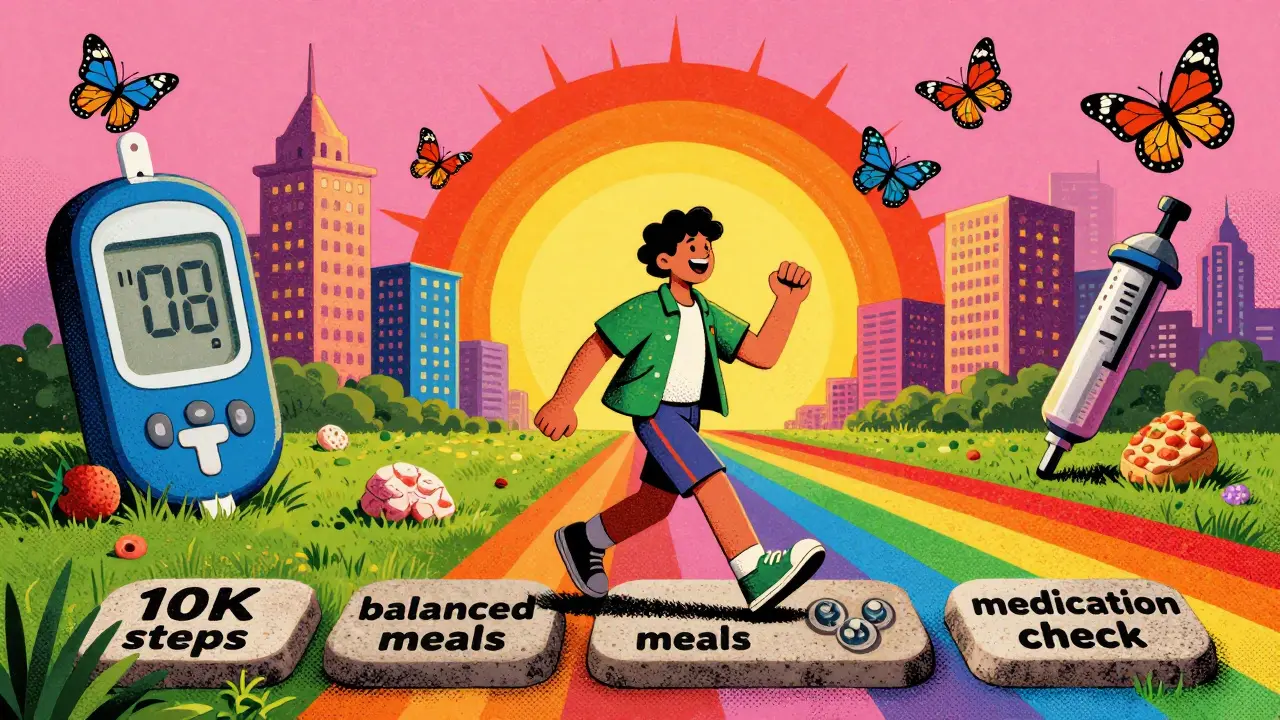
Medications That Help (and Those That Don’t)
Your diabetes meds can either help or hurt your weight loss goals. Some cause weight gain. Others help you lose it.
Weight-loss-friendly medications:
- GLP-1 receptor agonists (like semaglutide/Wegovy, tirzepatide/Mounjaro): These slow digestion, reduce appetite, and help you feel full longer. In trials, people lost 15-20% of their body weight.
- SGLT2 inhibitors (like empagliflozin, dapagliflozin): These make your kidneys flush out extra glucose through urine, which burns calories and leads to modest weight loss (3-5% on average).
Medications that can cause weight gain:
- Insulin: Necessary for many, but can increase hunger and fat storage. If you’re gaining weight on insulin, talk to your doctor about adjusting doses or adding a GLP-1 medication.
- Sulfonylureas (like glipizide, glyburide): These force your pancreas to release more insulin, which can cause low blood sugar and increased hunger, leading to weight gain.
If you’re on a medication that’s working against your goals, don’t stop it on your own. Talk to your doctor. There are often alternatives that support weight loss without compromising blood sugar control.
How to Avoid Low Blood Sugar While Losing Weight
One of the biggest fears for people on insulin or sulfonylureas is hypoglycemia-low blood sugar-when they cut calories or increase activity. It’s real, but manageable.
Here’s how to stay safe:
- Check your blood sugar more often-especially before and after exercise, and if you feel shaky, sweaty, or dizzy.
- Adjust your meds before you start losing weight-don’t wait until you’re crashing. Talk to your provider early.
- Keep fast-acting carbs handy-glucose tablets, juice, or candy-but only use them when needed. Don’t overcorrect.
- Time your meals and meds-eat within 30 minutes of taking insulin or sulfonylureas. Don’t skip meals.
Many people find that once they lose weight, their insulin needs drop by 20-50%. That’s a good sign-it means your body is working better. But it also means your meds may need to be lowered. Work with your care team to adjust safely.
Behavioral Strategies That Stick
Diets fail. Habits succeed. The most successful people with diabetes don’t rely on willpower-they build systems.
- Track your food-apps like MyFitnessPal or Carb Manager help you see patterns. You might be surprised how much sugar is in your “healthy” yogurt or how fast calories add up with snacks.
- Plan your meals-cook in batches on weekends. Have healthy options ready. Don’t wait until you’re starving to decide what to eat.
- Get support-join a Diabetes Prevention Program (DPP). These are CDC-certified, 16-week programs with group coaching on nutrition, activity, and behavior change. Studies show people in DPP lose twice as much weight as those going it alone.
- Find your “why”-is it to play with your grandkids? To stop taking pills? To feel more energy? Write it down. Read it when you’re tempted to skip a workout or eat a whole pizza.
- Celebrate non-scale wins-better sleep, more energy, clothes fitting looser, stairs feeling easier. These matter more than the number on the scale.
One user on the ADA community shared: “I lost 22 lbs in 6 months walking 150 minutes a week and using smaller plates. My A1C dropped from 7.2% to 5.9%.” That’s not magic. That’s consistency.
What Doesn’t Work (And Why)
There are a lot of fads out there. Keto. Intermittent fasting. Juice cleanses. Some work for a few people-but they’re not sustainable or safe for everyone with diabetes.
- Extreme low-carb diets can cause nutrient deficiencies and are hard to maintain. They’re not necessary for most people.
- Skipping meals leads to blood sugar swings and overeating later.
- Weight loss pills without medical supervision can interact with diabetes meds and cause dangerous side effects.
- Over-exercising without proper fuel or rest can raise stress hormones like cortisol, which raises blood sugar.
The key is balance-not restriction. It’s not about being perfect. It’s about being consistent.
Long-Term Success: Keeping the Weight Off
Most people lose weight. Fewer keep it off. The Look AHEAD trial showed that only 27% of participants maintained 10% weight loss after four years. Why? Because weight loss isn’t a destination-it’s a lifestyle.
Here’s what works long-term:
- Keep moving-even if you’re not losing more weight, stay active. Maintenance requires more movement than loss.
- Check in weekly-weigh yourself once a week. If you gain 2-3 lbs, adjust your food or activity before it turns into 10.
- Stay connected-keep attending DPP maintenance sessions, or join a support group.
- Expect plateaus-they’re normal. Your body adapts. Change your routine: try a new workout, cook a new recipe, or increase your step count.
The goal isn’t to be thin. It’s to be healthy. And that’s something you can do at any size-if you take steady, smart steps.
Can losing weight reverse type 2 diabetes?
Yes, for many people. Studies like the DiRECT trial show that losing 10-15 kg (22-33 lbs) can lead to diabetes remission in nearly half of participants. This happens when fat around the liver and pancreas decreases, allowing those organs to function normally again. Remission means normal blood sugar without medication-but it requires ongoing weight maintenance. If weight is regained, diabetes can return.
How fast should I lose weight with diabetes?
Aim for 1-2 pounds per week. Losing weight too quickly can lead to muscle loss, nutrient deficiencies, and dangerous drops in blood sugar-especially if you’re on insulin or sulfonylureas. Slow, steady loss is safer and more sustainable. The goal is to change your habits for life, not to crash diet.
Do I need to take supplements to lose weight with diabetes?
No. Most supplements marketed for weight loss or blood sugar control lack strong evidence and can interfere with your meds. Focus on whole foods first. If you’re deficient in vitamin D or magnesium, your doctor can test for it and recommend a supplement if needed. Don’t rely on pills-focus on diet, movement, and behavior change.
Can I use intermittent fasting with diabetes?
Some people with type 2 diabetes do well with time-restricted eating (like eating only during an 8-hour window), but it’s not for everyone. It can increase the risk of low blood sugar, especially if you’re on insulin. If you want to try it, work with your doctor to adjust your meds first. Never start fasting without medical supervision.
What’s the best way to stay motivated?
Focus on how you feel, not just the scale. More energy, better sleep, no more afternoon crashes-these are real wins. Find a buddy, join a group, or use an app to track progress. Celebrate small victories. And remember: every healthy choice you make today is lowering your risk of heart disease, kidney damage, and nerve problems tomorrow.
Next Steps: What to Do Today
Don’t wait for the perfect day. Start now.
- Calculate your 5% weight goal. If you weigh 180 lbs, that’s 9 lbs.
- Write down one food you’ll cut back on this week-maybe soda, sugary cereal, or large portions of rice.
- Walk for 10 minutes after dinner today.
- Call your doctor and ask: “Are my meds helping or hurting my weight loss?”
- Search for a CDC-recognized Diabetes Prevention Program in your area-or check if your insurance covers a virtual one.
Weight loss with diabetes isn’t about punishment. It’s about empowerment. You’re not fighting your body-you’re helping it heal. And every step you take, no matter how small, brings you closer to a healthier, freer life.
Annette Robinson
January 8, 2026 AT 00:29I’ve been living with type 2 for 8 years, and losing just 12 pounds changed everything. My A1C dropped from 7.8 to 5.7, and I haven’t taken metformin in 14 months. It wasn’t about starving myself-it was about eating real food, moving daily, and giving myself grace when I slipped. You don’t need a miracle. You just need to show up.
Luke Crump
January 9, 2026 AT 19:00Let me tell you something the medical-industrial complex doesn’t want you to know: weight loss isn’t the cure-it’s the distraction. Diabetes isn’t caused by fat. It’s caused by corporate sugar, pharmaceutical greed, and the lie that your body is broken. You think losing 5% will fix this? Try burning down the system instead.
Manish Kumar
January 11, 2026 AT 12:49Listen, I come from a place where diabetes is not just a diagnosis but a cultural inheritance-our grandparents ate rice with ghee, our parents drank sweet chai, and now we’re told to count carbs like it’s some kind of spiritual discipline. But here’s the truth: the West sells us diets like they’re religion, but they never tell you that insulin resistance isn’t your fault-it’s the result of generations of food insecurity, then processed food abundance. I lost 18 kg not by following a keto plan but by eating more lentils, walking after sunset, and refusing to feel guilty for eating my mother’s dal. Progress isn’t linear, and healing isn’t a product you buy on Amazon.
Prakash Sharma
January 13, 2026 AT 05:12Why are we letting Americans tell us how to fix our health? In India, we used to heal with turmeric, neem, and daily walks-not pills and meal replacements. This whole ‘low-calorie diet’ thing is just another Western scam. Our ancestors didn’t need GLP-1 agonists to live to 90. Stop chasing trends and go back to your roots.
Kristina Felixita
January 13, 2026 AT 10:01OMG I just started walking after dinner and i’m already sleeping better?? like, i didn’t even know i was so tired all day?? also, i swapped my greek yogurt for plain + berries and i’m not craving sugar anymore?? this is wild. i’m not even trying hard and my pants are looser?? love y’all
Joanna Brancewicz
January 13, 2026 AT 12:23Insulin sensitivity improves with muscle mass, not just caloric deficit. Resistance training > cardio for metabolic adaptation. GLP-1 agonists enhance satiety via vagal signaling and reduce hepatic glucose output. SGLT2i induces glucosuria, lowering adiposity independently of appetite. Evidence-based, not anecdotal.
Ken Porter
January 14, 2026 AT 12:38So let me get this straight-you want me to believe that walking 10 minutes and eating less bread is going to fix decades of poor lifestyle choices? Meanwhile, Big Pharma is raking in billions from these ‘miracle’ drugs. This whole post is just a sugar-coated ad for Wegovy.
swati Thounaojam
January 15, 2026 AT 11:07i tried fasting for 3 days, my sugar went crazy low, had to eat honey just to stand up. not worth it. i stick to small meals, 3 times a day, no rush. thank you for the post
Dave Old-Wolf
January 16, 2026 AT 10:21Wait, so if I lose weight and my A1C drops, does that mean I’m cured? Or am I just hiding it? I’m confused. Like, if I stop losing weight, does it come back? Is this like a light switch or a dimmer?
Donny Airlangga
January 16, 2026 AT 16:28I was skeptical too. I thought this was just another diet blog. But I followed the 5% rule-lost 11 lbs over 4 months, stopped my morning insulin shot, and now I can climb stairs without gasping. It’s not magic. It’s just… possible. Thank you for writing this like a human.
Aubrey Mallory
January 16, 2026 AT 20:04To the person who said ‘burn down the system’-I hear you. But for the rest of us who are just trying to live, who don’t have the luxury of activism, this is our lifeline. You don’t have to choose between revolution and survival. We can fight the system AND take care of our bodies. This isn’t betrayal. It’s resistance.